

Our dentists
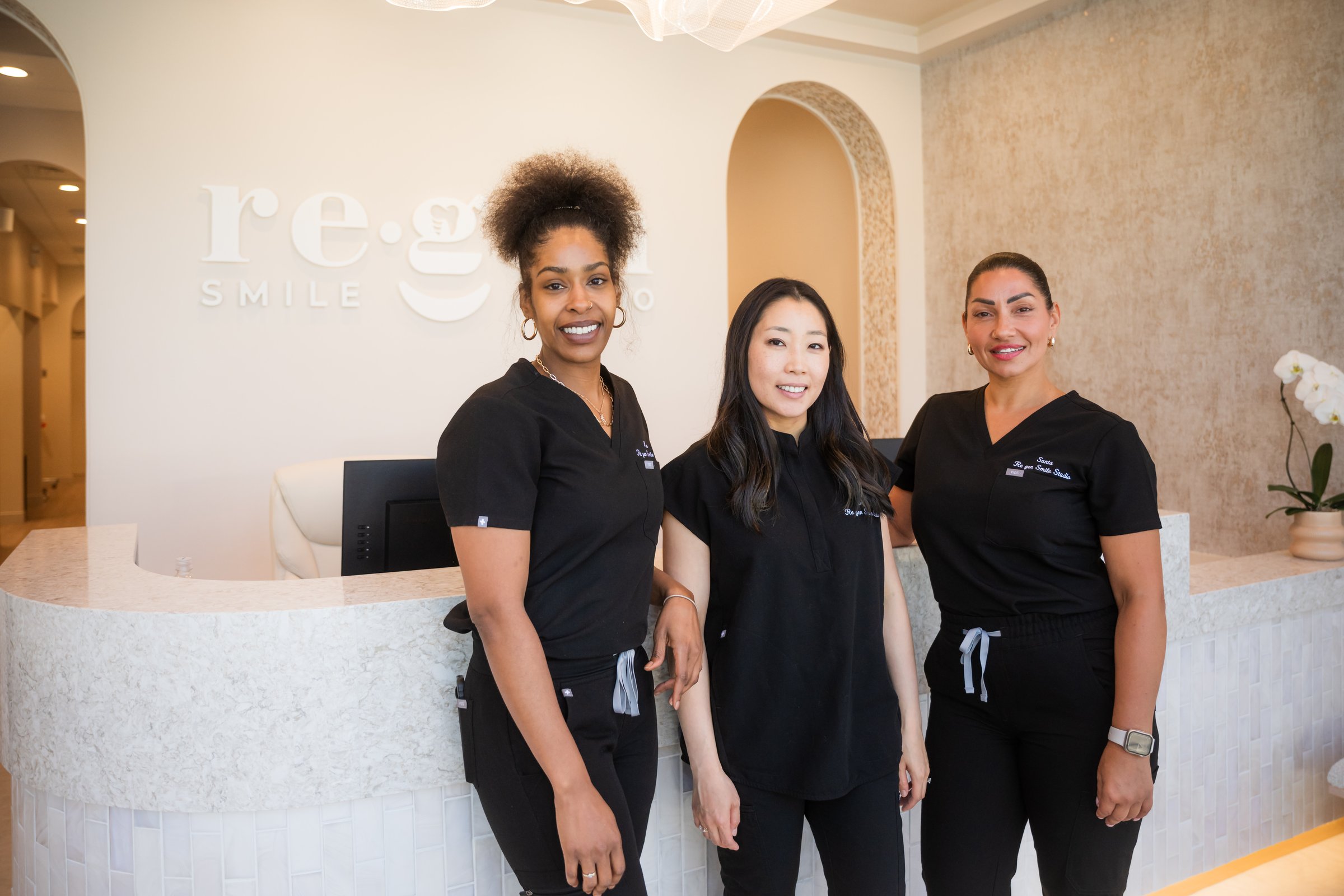
Our founder, Dr. Erin Cho, and Dr. Ashley Choi, both trained at the University of Illinois Chicago.
Meet our team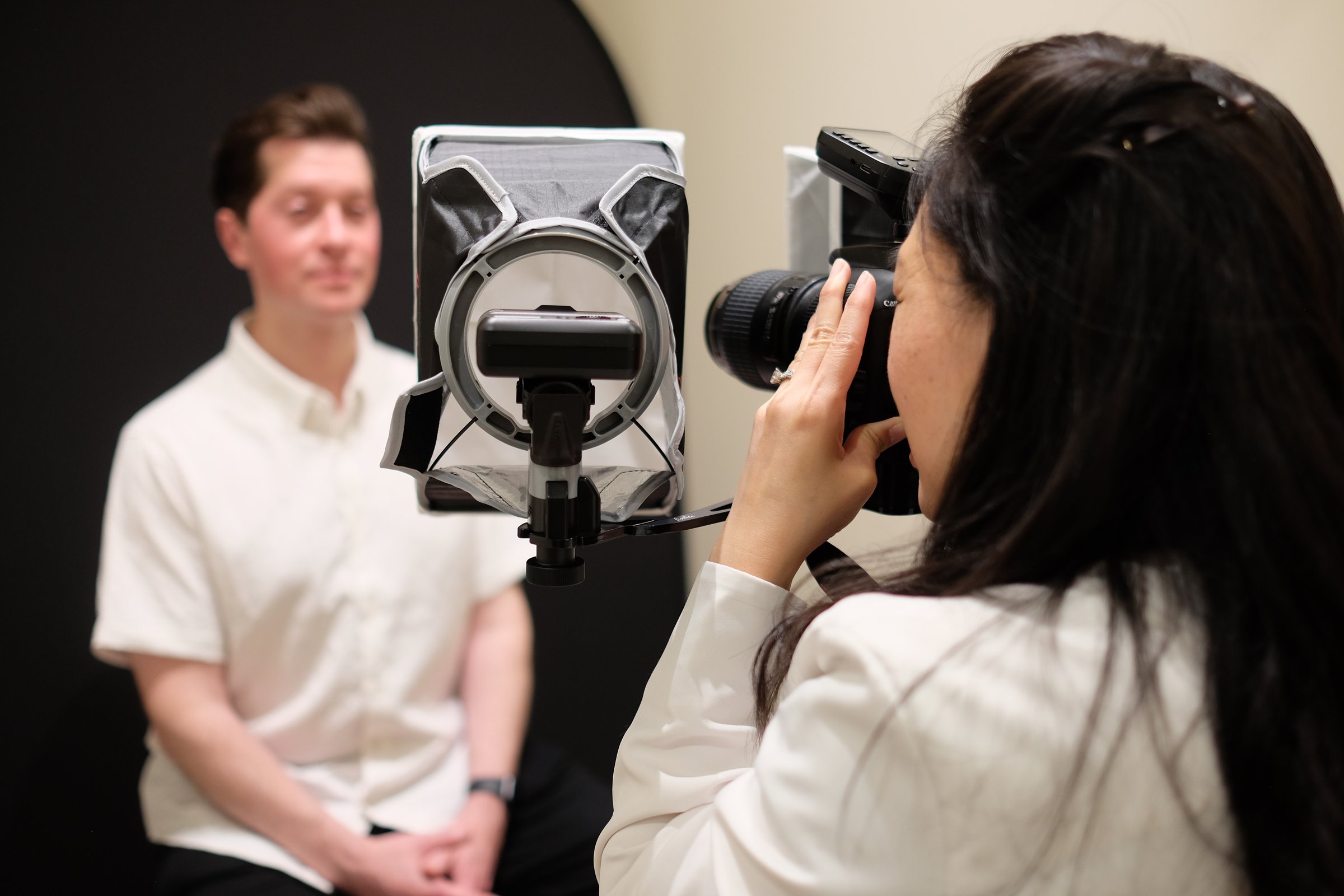
What porcelain veneers can change, how they compare with bonding, what the visits involve, and how to keep them looking like your own teeth.
Maybe a front tooth chipped years ago and the repair never matched. Maybe there's a gap you've learned to smile around, or your edges have worn flat from grinding. These are the things people bring with them when they ask about porcelain veneers at our Lakeview studio in Chicago.
A veneer is a thin shell of porcelain bonded to the front of a tooth. It changes the color, shape and length of the part you see, without moving or replacing the tooth. Bonding does some of the same in one visit, with tooth-colored resin shaped right onto the tooth.
We start by asking what you'd like to change. Sometimes the answer is much smaller than veneers.
“For me, it's about choosing the most conservative path that still gives them the result they want.”
Veneers cover the front of a tooth, so they work on what shows when you smile. Chipped or worn edges, stains that whitening won't lift, small gaps, teeth that are short or oddly shaped, and old fillings that have gone dark are the usual reasons. They can also hide mild crowding or a tooth that's turned a little.
They can't move teeth or change your bite. If teeth are quite crooked, a veneer has to be thicker to hide it, and more of the tooth gets removed. Straightening them first, with Invisalign for example, often means fewer veneers, or none.
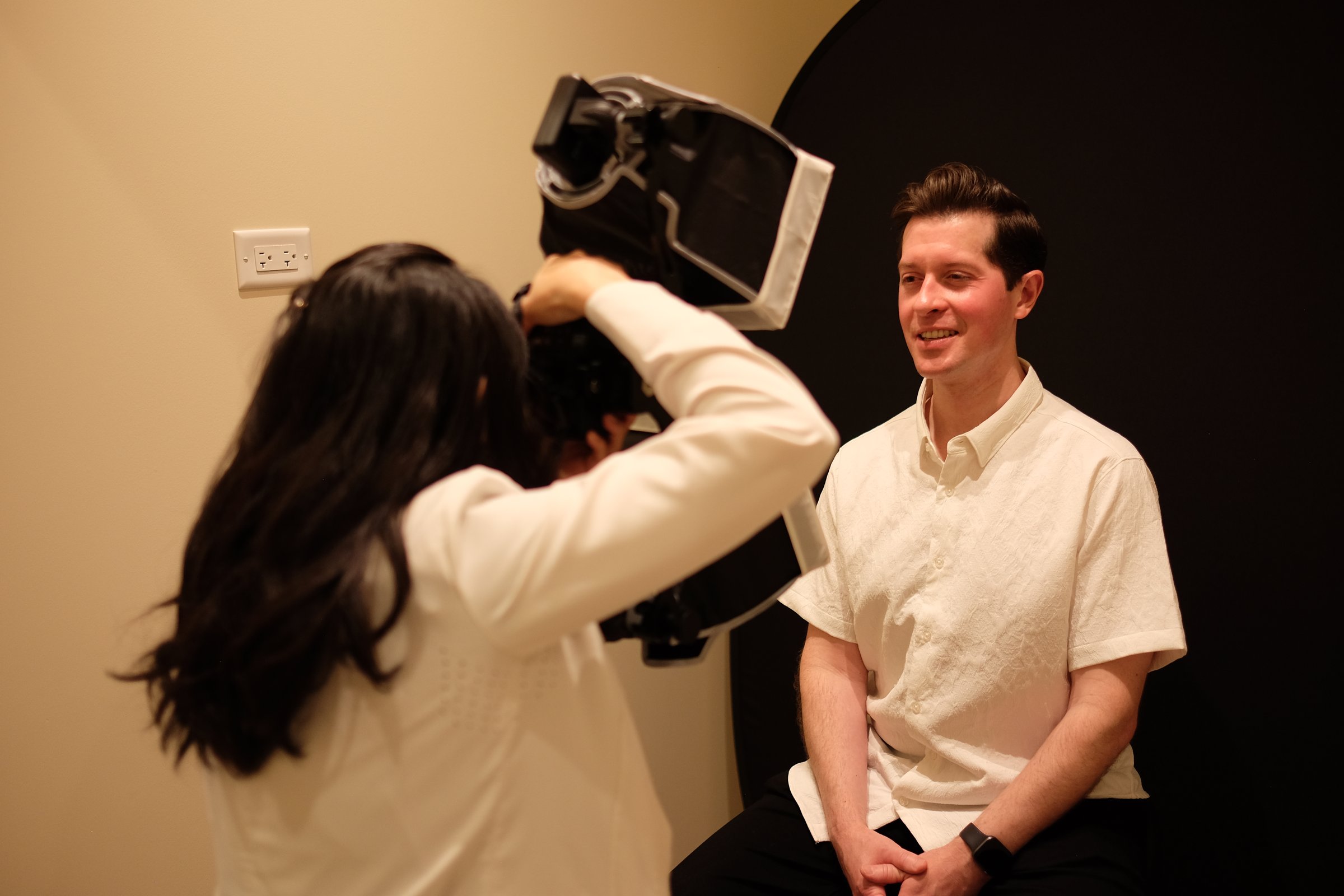
Many people come to a cosmetic consultation expecting to pick a treatment and picture the result in their head. We'd rather you decide while looking at your own smile. Before we recommend anything, we take photographs and measurements of your teeth, put them on the screen and go through the options with you. You know what you're agreeing to, and can tell us what you'd change, before anything is done.
Bonding is tooth-colored resin shaped onto the tooth and hardened with a light. It's usually done in one visit and leaves the tooth much as it was, but it stains and chips sooner than porcelain. Traditional porcelain veneers are made to fit your teeth, keep their color for years, and usually need a thin layer of enamel removed first.
Prep-less veneers sit in between. They're thinner shells placed with little or no change to the tooth, when the shape and position of your teeth allow it. And sometimes whitening, or smoothing one uneven edge, does what you were hoping veneers would do.
No, but they do commit you. Most porcelain veneers need a thin layer of enamel taken off the front of the tooth, usually less than a millimeter, so the veneer sits flush instead of bulky. Enamel doesn't grow back, so that tooth will always need a veneer or a similar covering. That's what people mean when they say veneers are permanent.
Online you'll hear two opposite claims: that veneers never need any drilling, and that your teeth get ground down to stumps. Both are wrong as a rule. How much is removed depends on the tooth and on how much you want to change, and you'll know exactly what your teeth need before anything is done.
Veneers need healthy teeth and gums underneath. A veneer placed over decay, or next to gums that bleed, won't last.
So before we plan veneers, we look at your bite, your gums and habits like grinding. Sort those out first, and the veneers you pay for have the best chance of lasting.
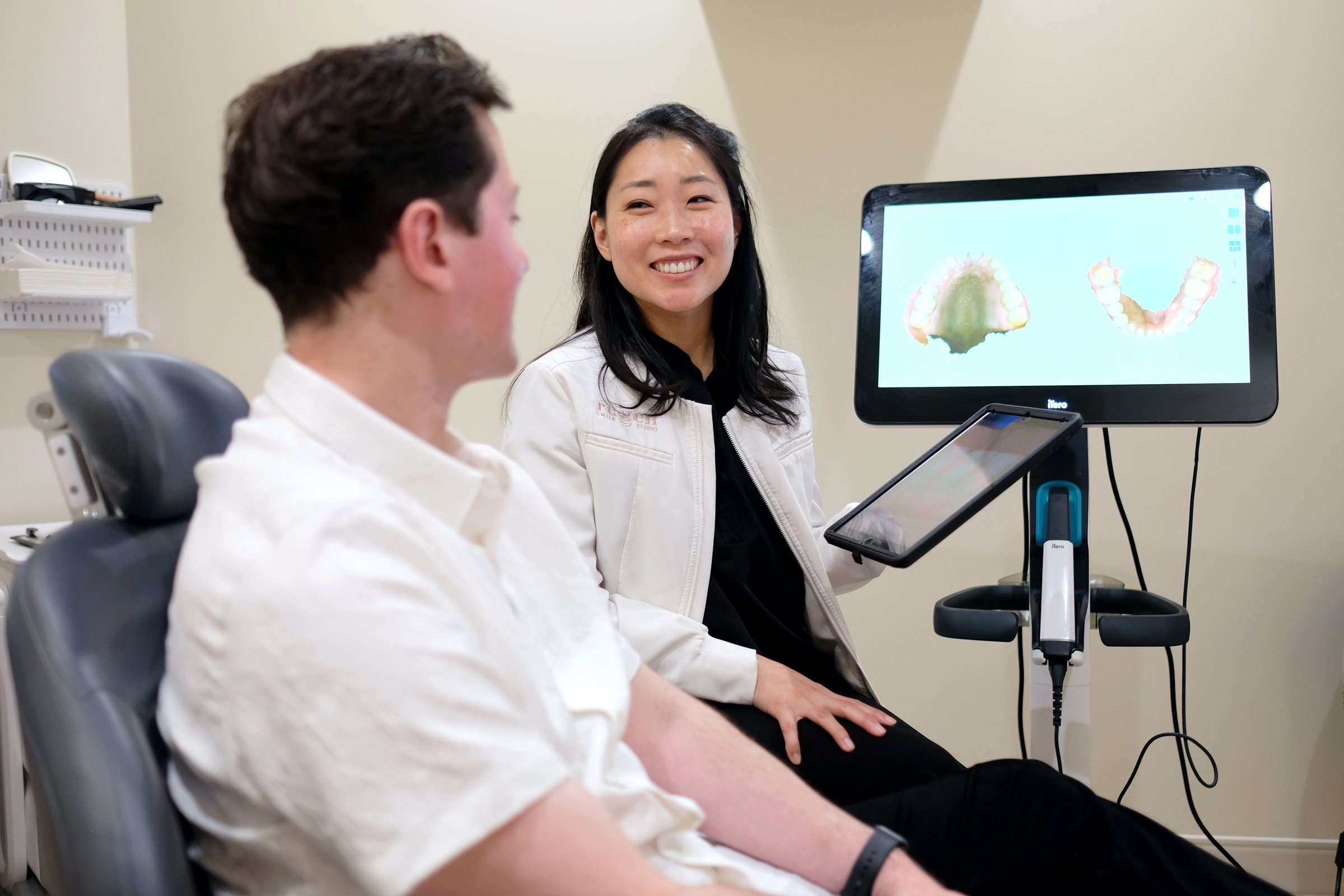
Porcelain veneers usually take two or three visits over a few weeks. Bonding is usually done in one.
They don't have to. Veneers look fake when they're too white, too even and too thick for the face they're on. Natural teeth vary a little from one to the next in shade and shape, and their edges are slightly see-through. Good porcelain copies that.
If you'd like your other teeth whiter, whiten them before the veneers are made. Porcelain keeps the color it's made in, so the veneers are matched to your new shade, not the old one.
“There is a look I will not do. Very white, very square, all one size. You can spot it across a room. If somebody asks me for that I will say so, and usually we land somewhere else once they see what their own teeth can actually do.”
Porcelain veneers often last 10 to 15 years or more before they need replacing. Bonding wears faster and usually needs touching up or redoing sooner, often within 5 to 10 years.
Care for them like your own teeth. Brush twice a day, floss, and keep your cleanings. Don't open packages or bite ice with them. If you grind at night, wear a night guard. Grinding is a common reason porcelain chips.
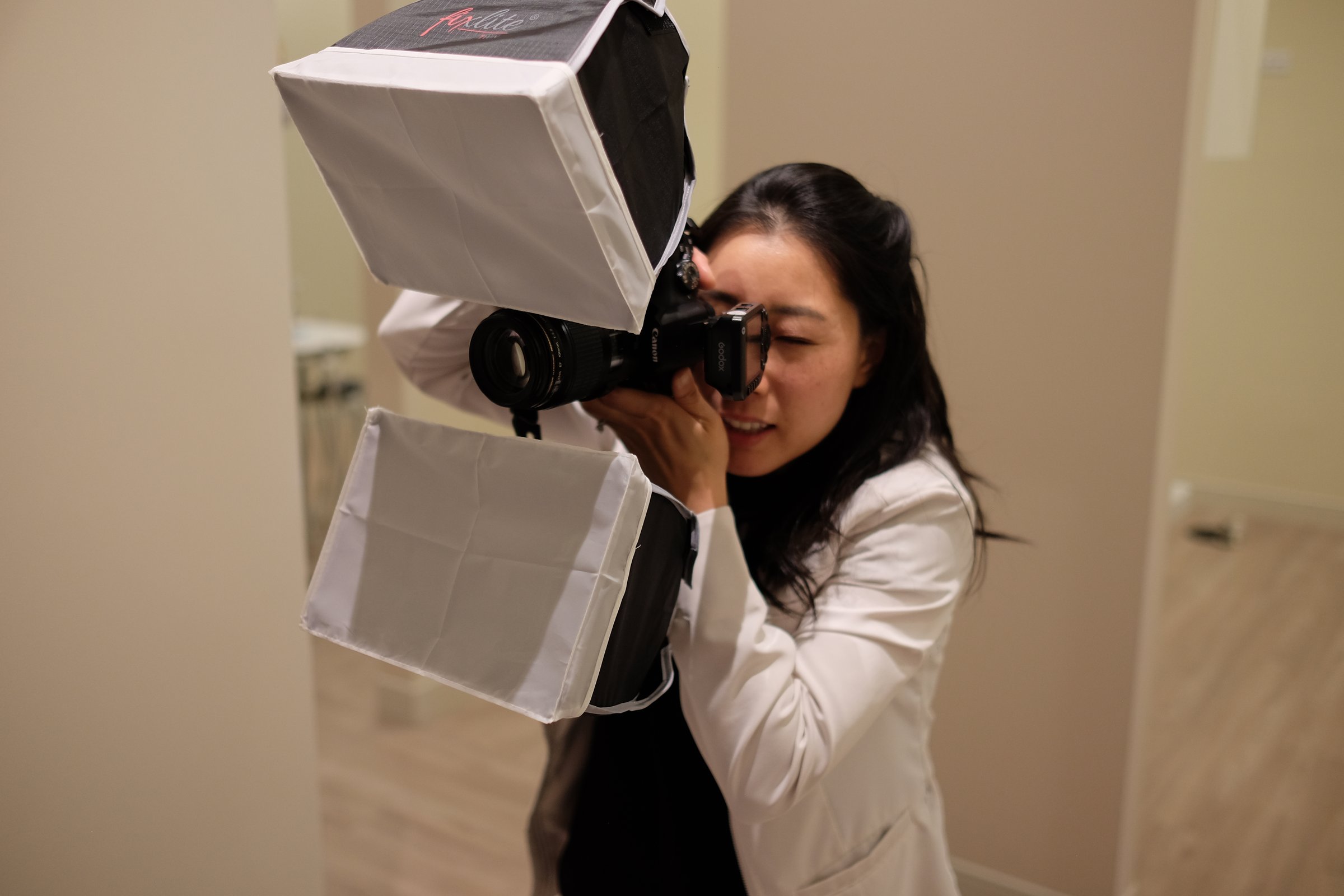
So every change is sized to your face
“A mouth is always attached to a whole person and the whole mouth always matters.” Dr. Erin Cho
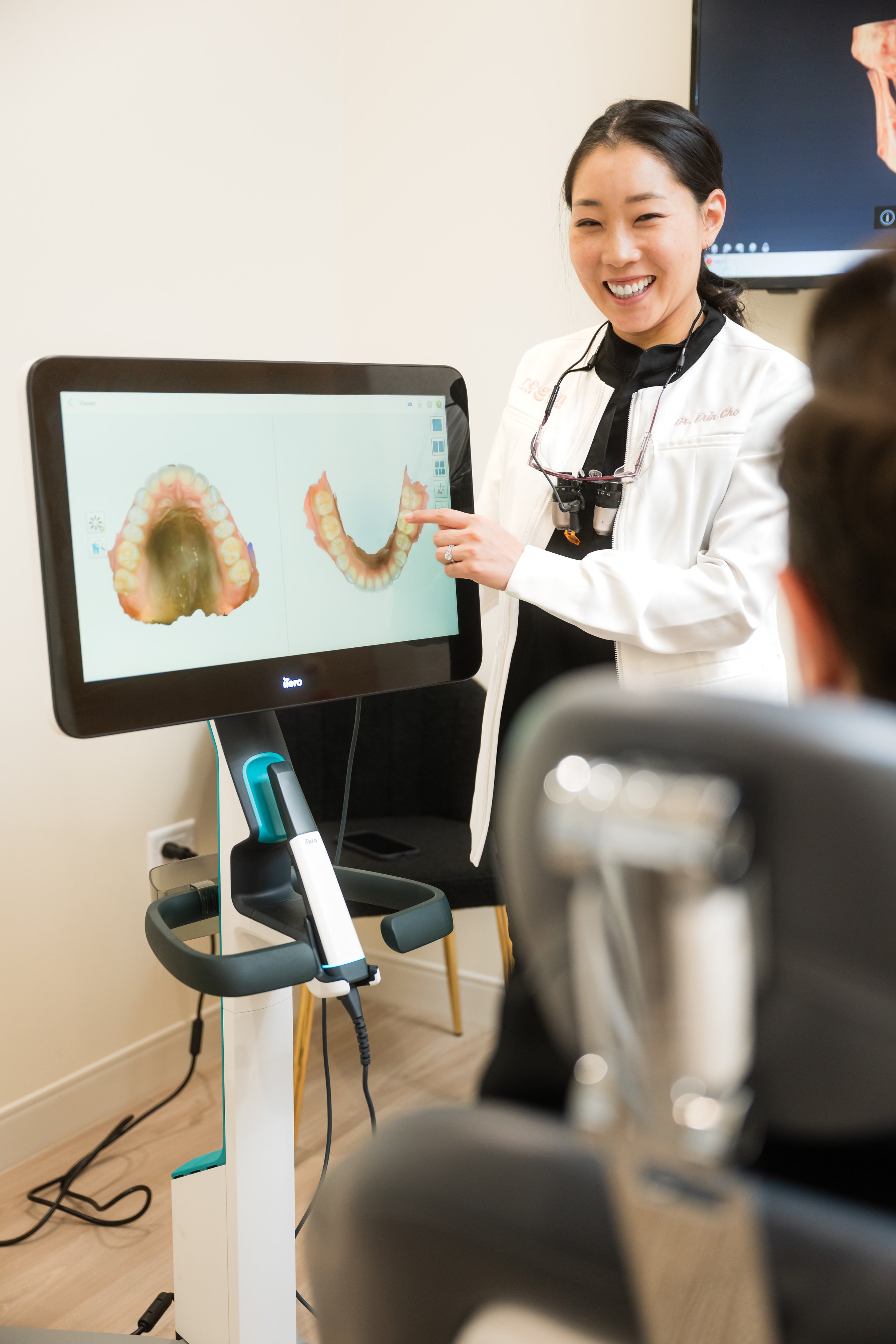
So you can weigh each option yourself
“When I put a photo up, people usually go quiet. Then they start asking clearer questions because now they can actually see it.” Dr. Erin Cho
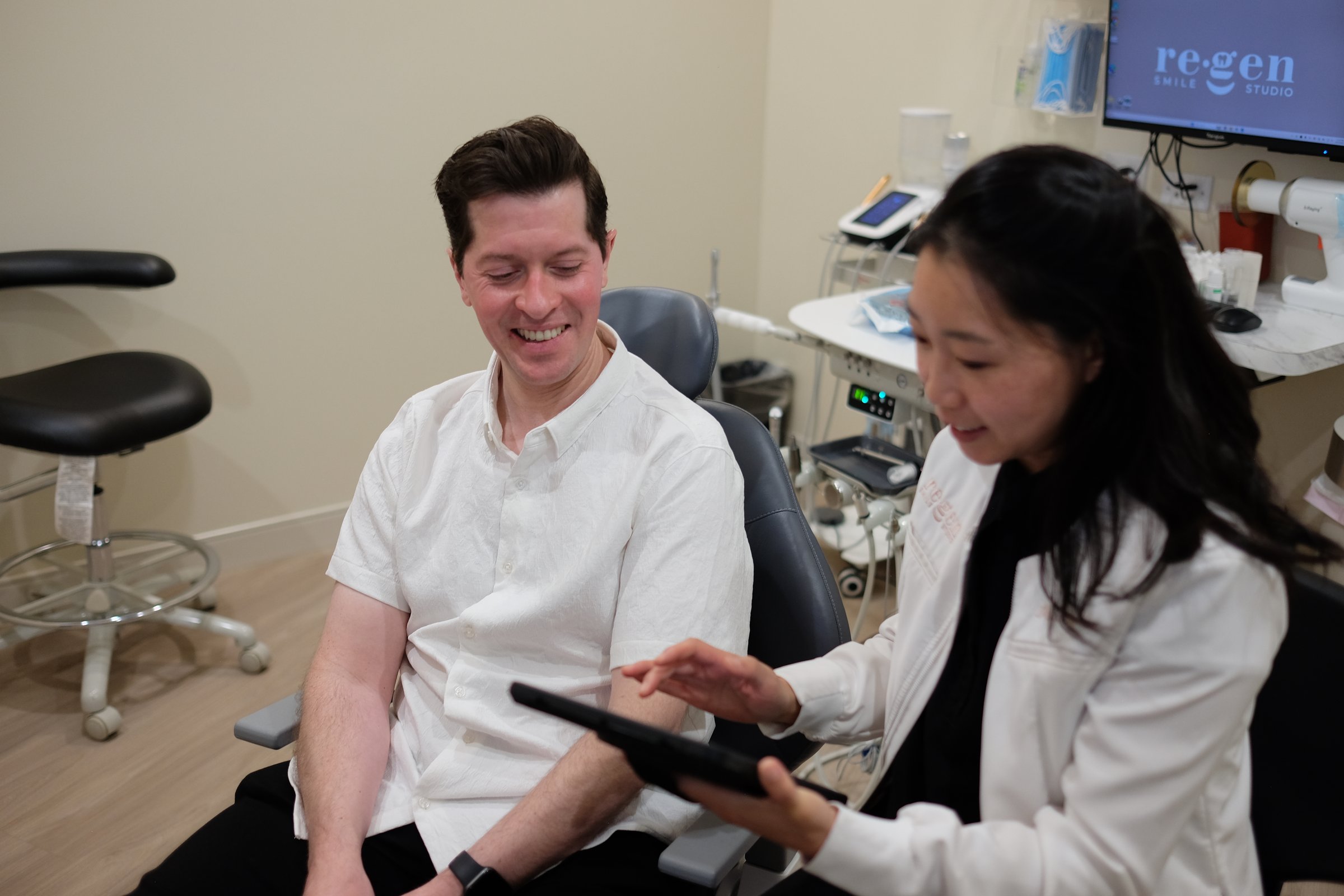
Time to ask, and breaks when you need them
“We slow things down… explain each step clearly, use photos, check comfort and offer small touches like headphones or a warm towel.” Dr. Erin Cho
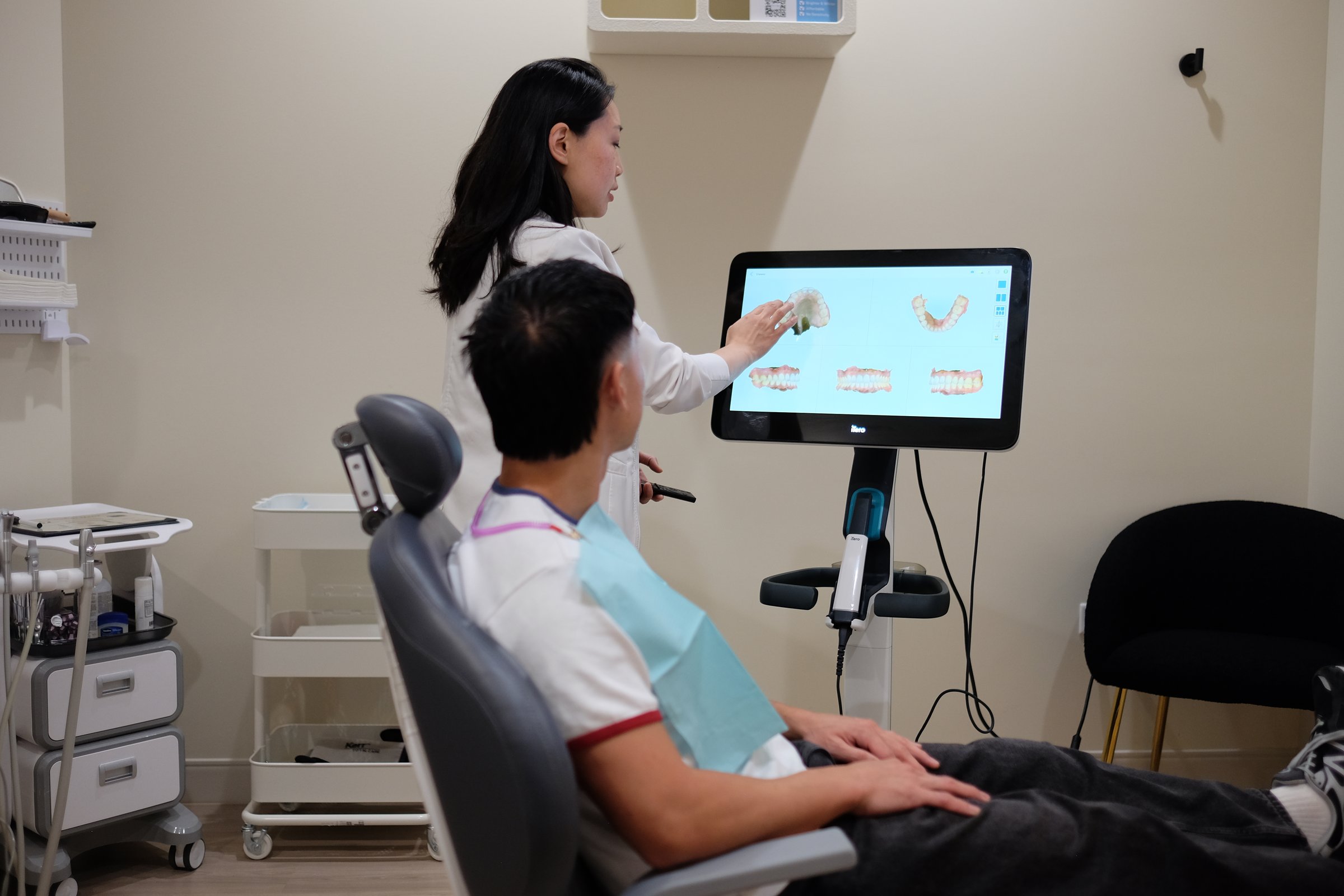
Not usually. The teeth are numbed before any enamel is removed, so most people feel pressure and vibration rather than pain. Bonding often needs no numbing at all.
For a few days after preparation or placement, your teeth may twinge with hot or cold drinks. That normally settles on its own within a week. Your bite can also feel slightly different at first; if it still feels high after a couple of days, call us and it can be adjusted.
It depends on how many teeth are involved, which material is used, and whether anything needs treating first. Bonding costs less per tooth than porcelain. You'll have a written plan with the cost before anything begins.
Veneers are usually counted as cosmetic, so dental insurance often doesn't pay for them. Work that repairs a broken tooth may qualify. Our team can check your benefits before you decide.
“Dr. Erin is truly an artist, and she provides so much helpful guidance.”
360+ 5-Star Google Reviews
“One of the most honest, trustworthy dentists I know”
“She is one of the most honest, trustworthy dentists I know. I speak whole heartedly in this manner as the son of a dentist. Dr. Cho will make sure you are taken care of comfortable and never push any unnecessary procedures.”
 Derrick AgnolettiGoogle · Nov 2025
“They actually show you images & x-rays”
“A really nice touch is that they are very transparent with what is being done and why - they actually show you images & x-rays and walk you through what they are seeing.”
 Kory KukukGoogle · Jan 2026
“Incredibly thoughtful, patient, kind and skilled”
“Dr Erin and her team were incredibly thoughtful, patient, kind and skilled. They really took their time to understand my history and concerns, were gentle in their approach, and clearly communicated the plan.”
 Amanda SaratsisGoogle · Jun 2026
Our founder, Dr. Erin Cho, and Dr. Ashley Choi, both trained at the University of Illinois Chicago.
Meet our team
3208 N Lincoln Ave, Lakeview. Open Tuesday to Friday, with street parking nearby.
About the studioSomething else on your mind? Call (312) 584-0707
Usually, yes. A thin layer of enamel is removed to fit them, so the tooth will always need a covering. Bonding and prep-less veneers change the tooth little or not at all.
Only slightly crooked ones. Veneers can hide mild crowding or a turned tooth. For more than that, straightening first usually means fewer veneers and less tooth removed.
It depends on how much you want to change. Bonding is quicker, costs less and keeps more of the tooth, but it stains and chips sooner. Porcelain lasts longer and holds its color.
No. Porcelain keeps the color it's made in. Whiten your teeth first, and the veneers are matched to the new shade.
Sometimes only one or two. Others want every tooth that shows when they smile. We use your photographs and measurements to show you what each option would change, so you can decide how far to go.
Often, yes. Grinding can chip porcelain, so we check your bite and the wear on your teeth first, so the veneers are planned for the force they'll take. You'd wear a night guard afterward.
Usually not, because veneers count as cosmetic. Work that repairs a broken tooth may qualify. Our team can check your benefits before treatment begins.
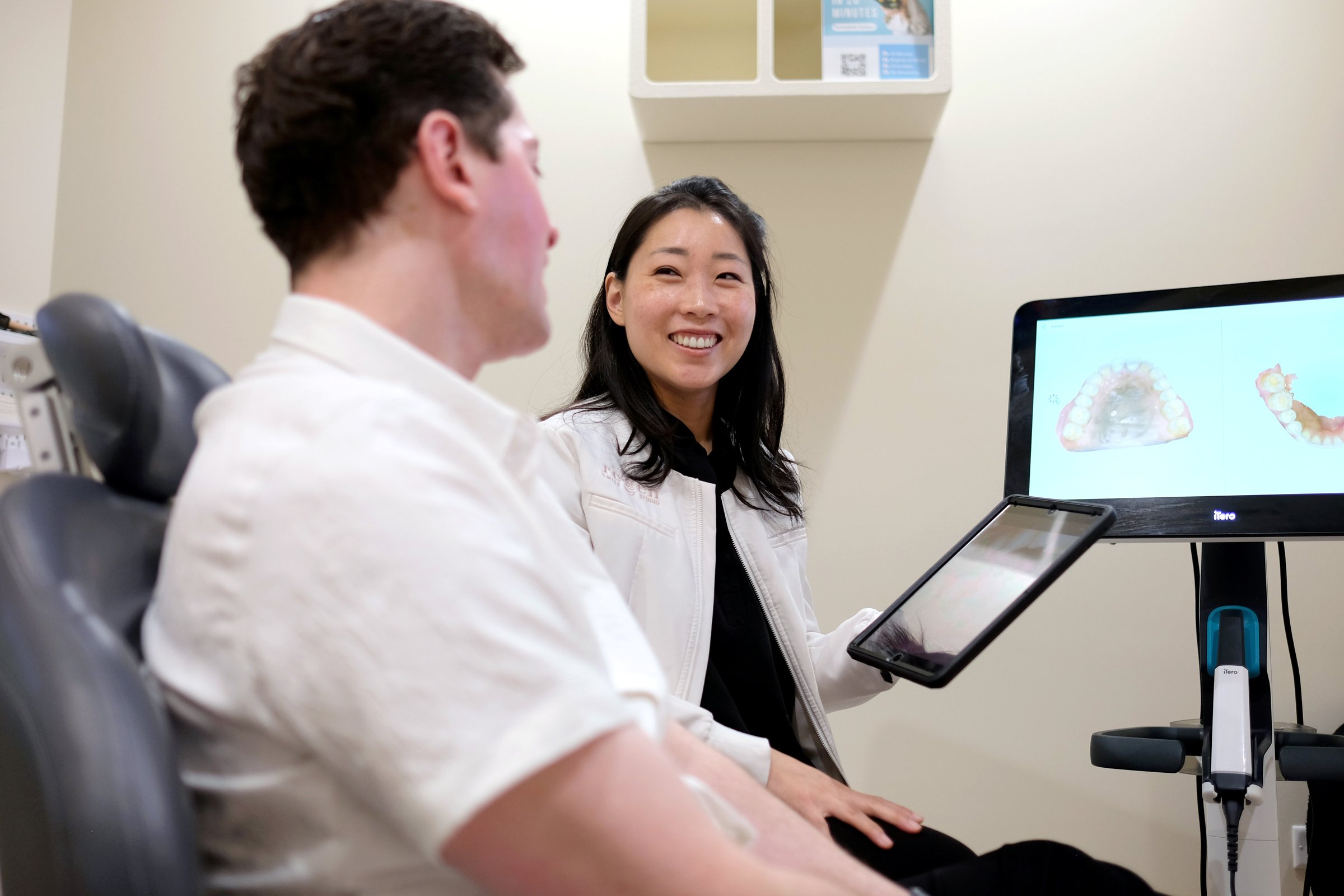
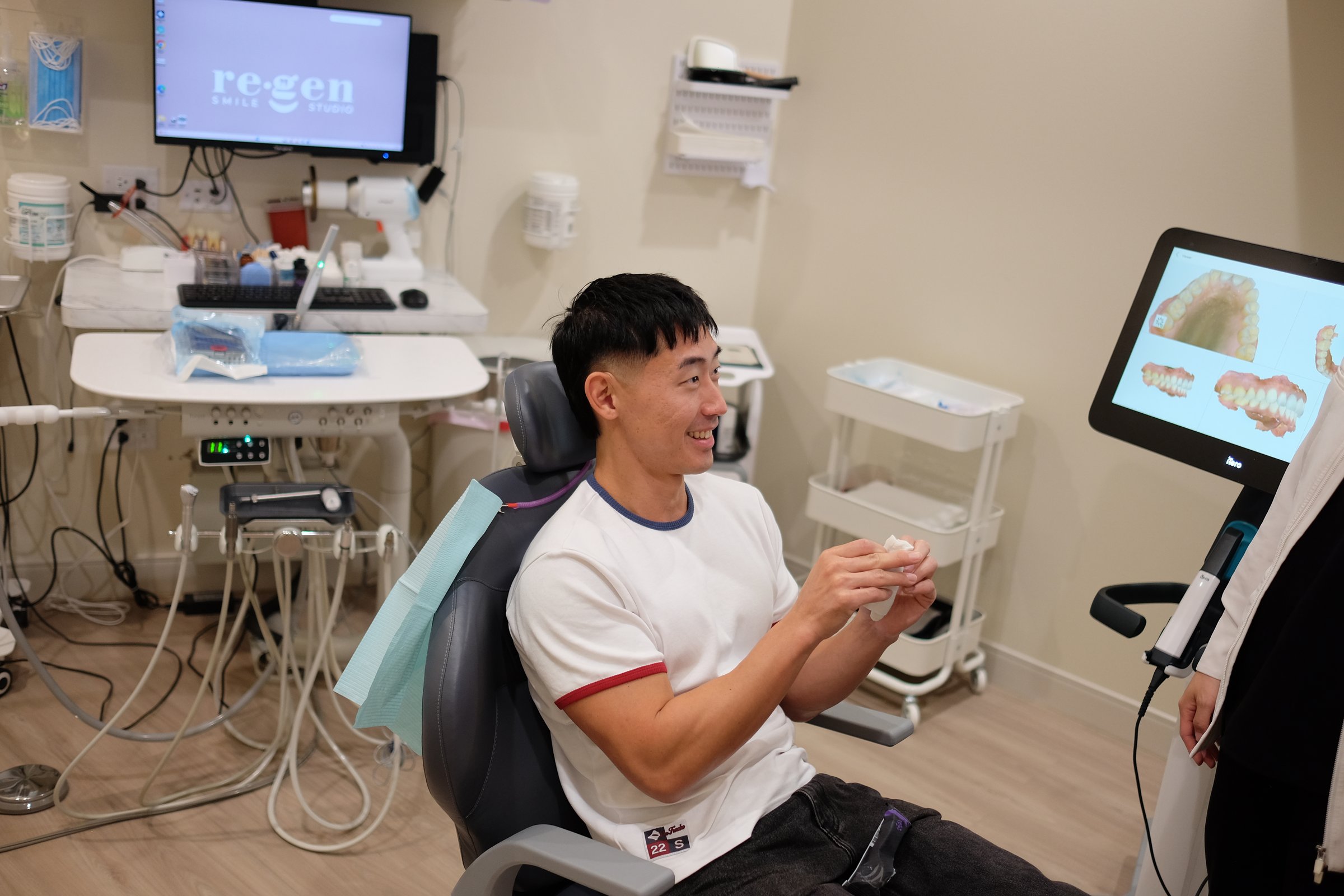

Start with a conversation. We'll take photographs and measurements, talk about what you'd like to change, and go through every option, including the smaller ones, so you don't commit to more than you need.