

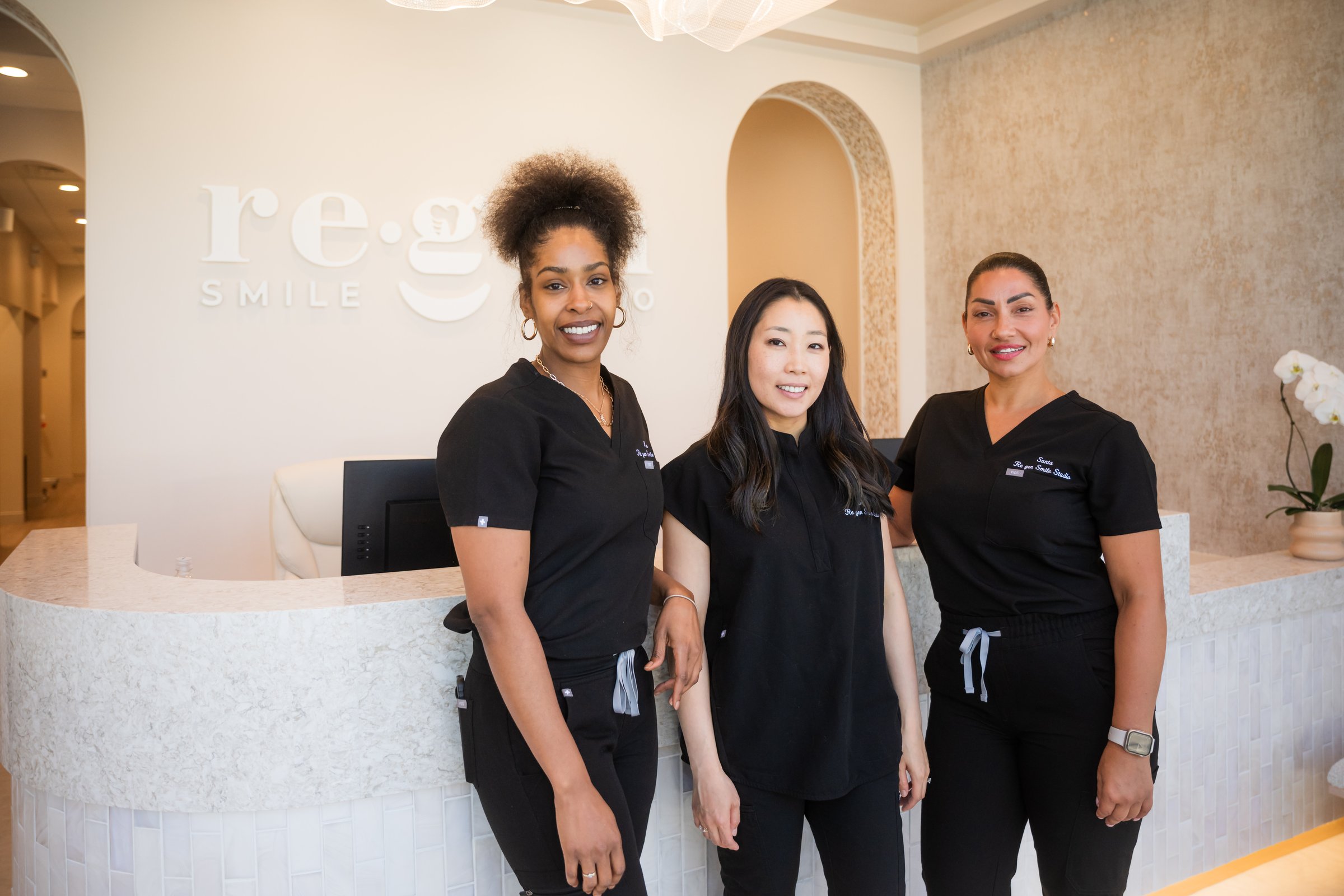
Our dentists
Our founder, Dr. Erin Cho, and Dr. Ashley Choi, both trained at the University of Illinois Chicago.
Meet our team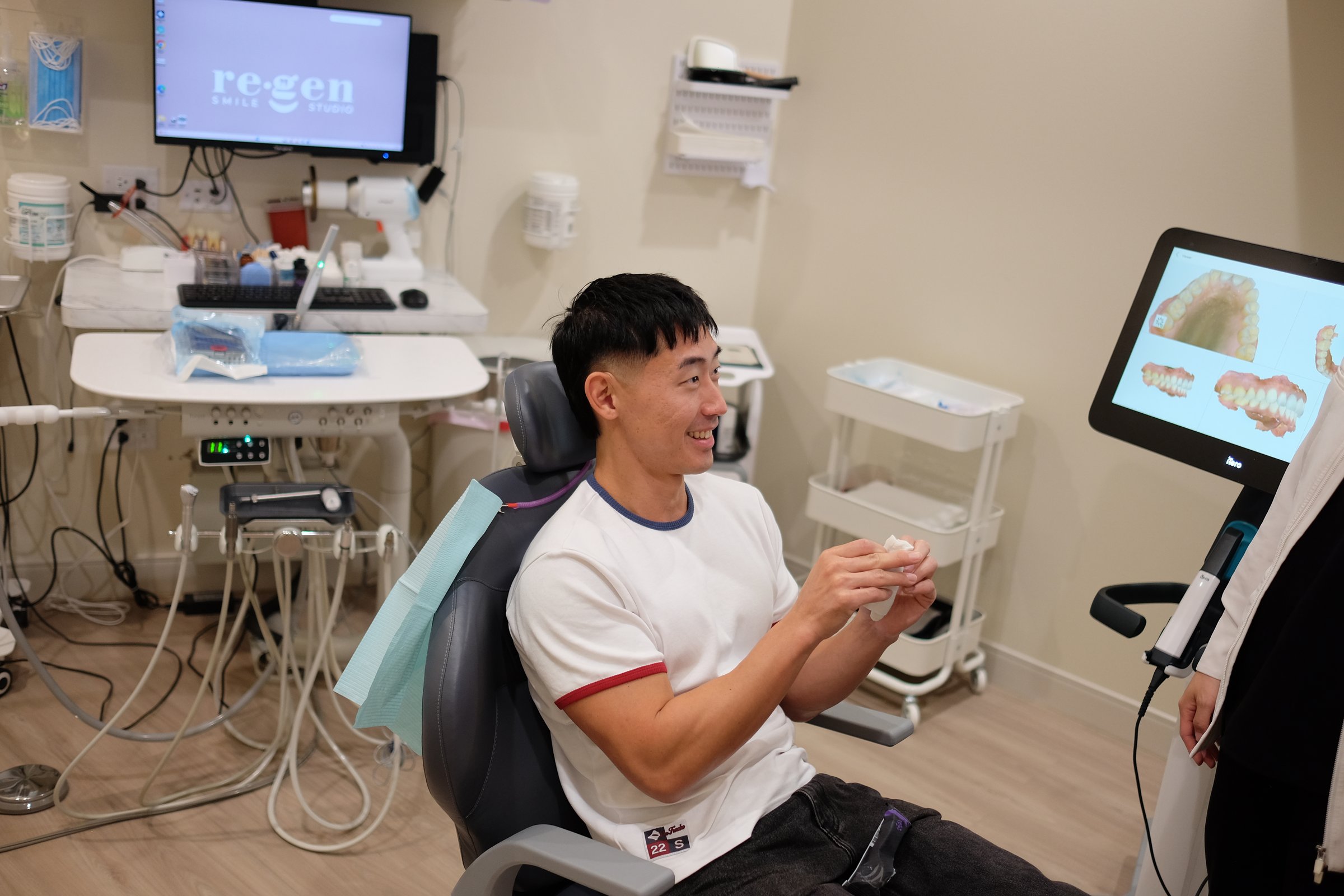
How professional teeth whitening works, what it can and can't change, and how white your own teeth can go.
Most people notice it in photos first. Your teeth look more yellow than they used to, or years of morning coffee have left a tint that brushing doesn't shift. Professional teeth whitening at our Lakeview studio in Chicago goes after that stain inside the enamel, where toothpaste can't reach.
Teeth darken for two reasons. Coffee, tea, red wine and smoking stain the surface. And as enamel thins with age, more of the yellower layer underneath shows through. Whitening gel breaks the stain down, so the tooth reflects more light.
“There's a limit to how white your own enamel can become with whitening alone, so I usually say: let's take your natural teeth as bright as they comfortably and predictably can go.”
Whitening works best on yellow or light brown teeth, the kind of color that comes from food, drink, smoking and age. It does much less for gray staining from certain antibiotics taken in childhood, white spots in the enamel, or a single tooth that went dark after an injury or a root canal.
It also only works on natural teeth. Crowns, veneers, bonding and fillings keep the color they were made in. If you have one on a front tooth, it may look darker next to your whitened teeth, and might need replacing to match.
If you'd like to go whiter than your enamel allows, we'll talk you through the other options, such as bonding or veneers.
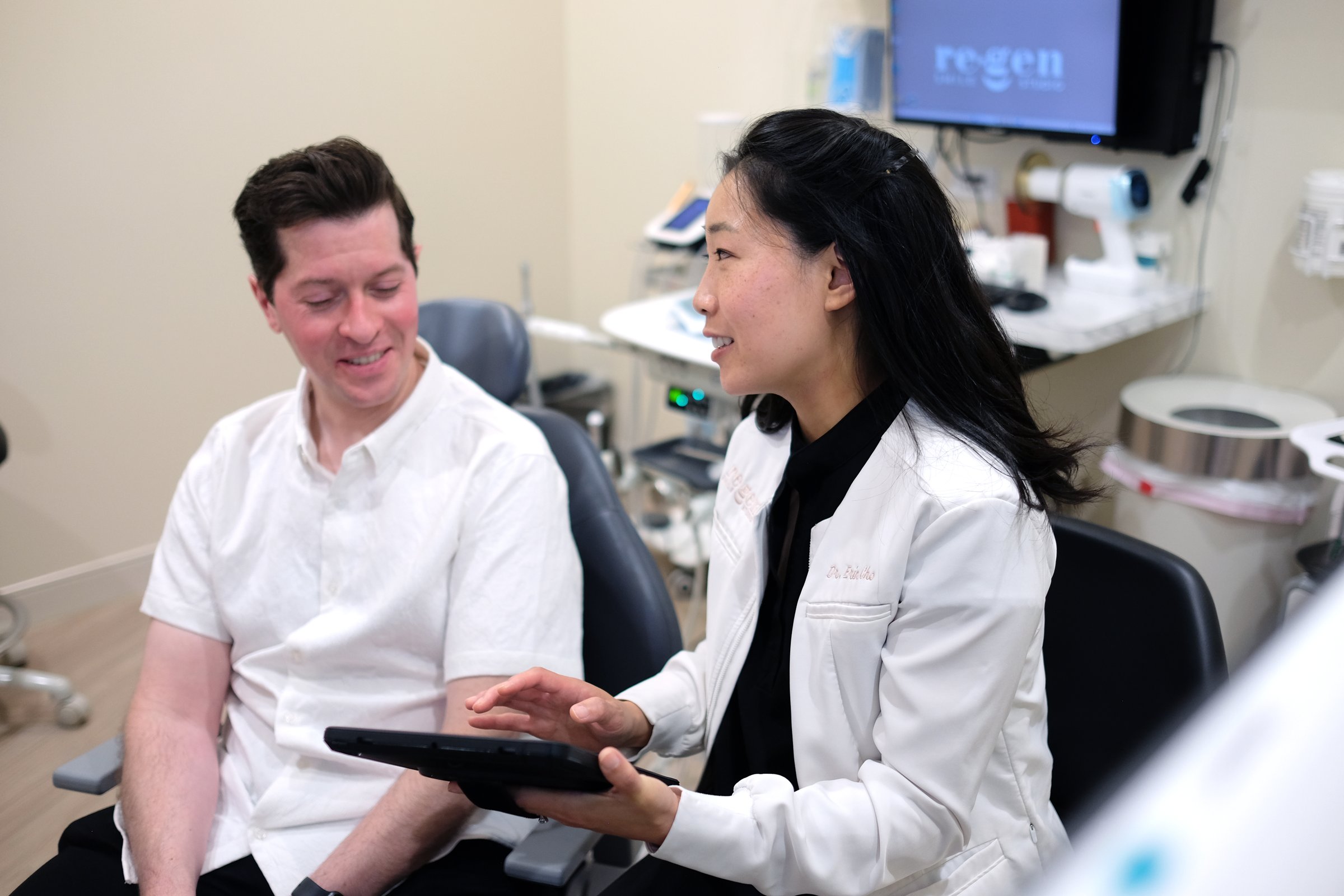
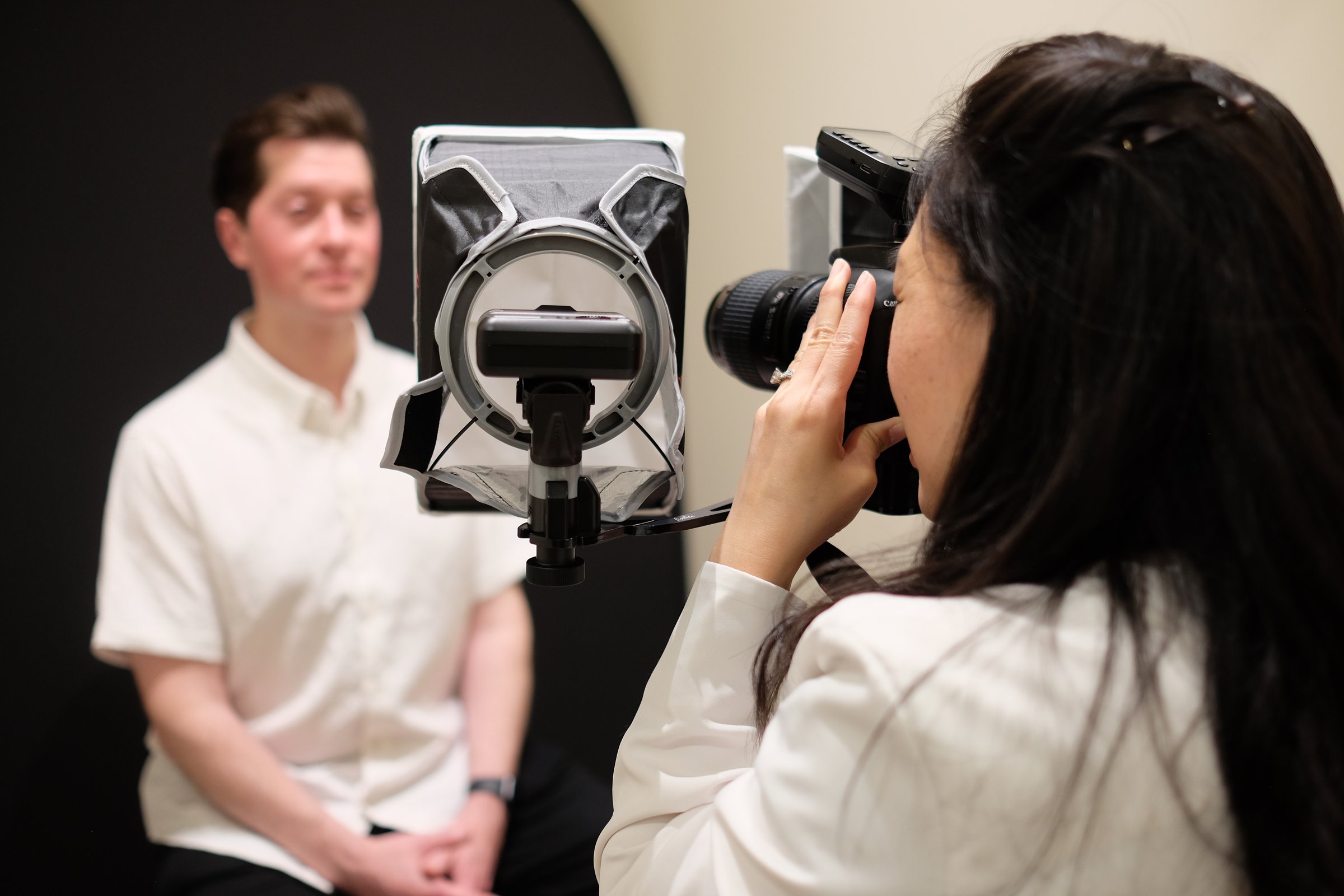
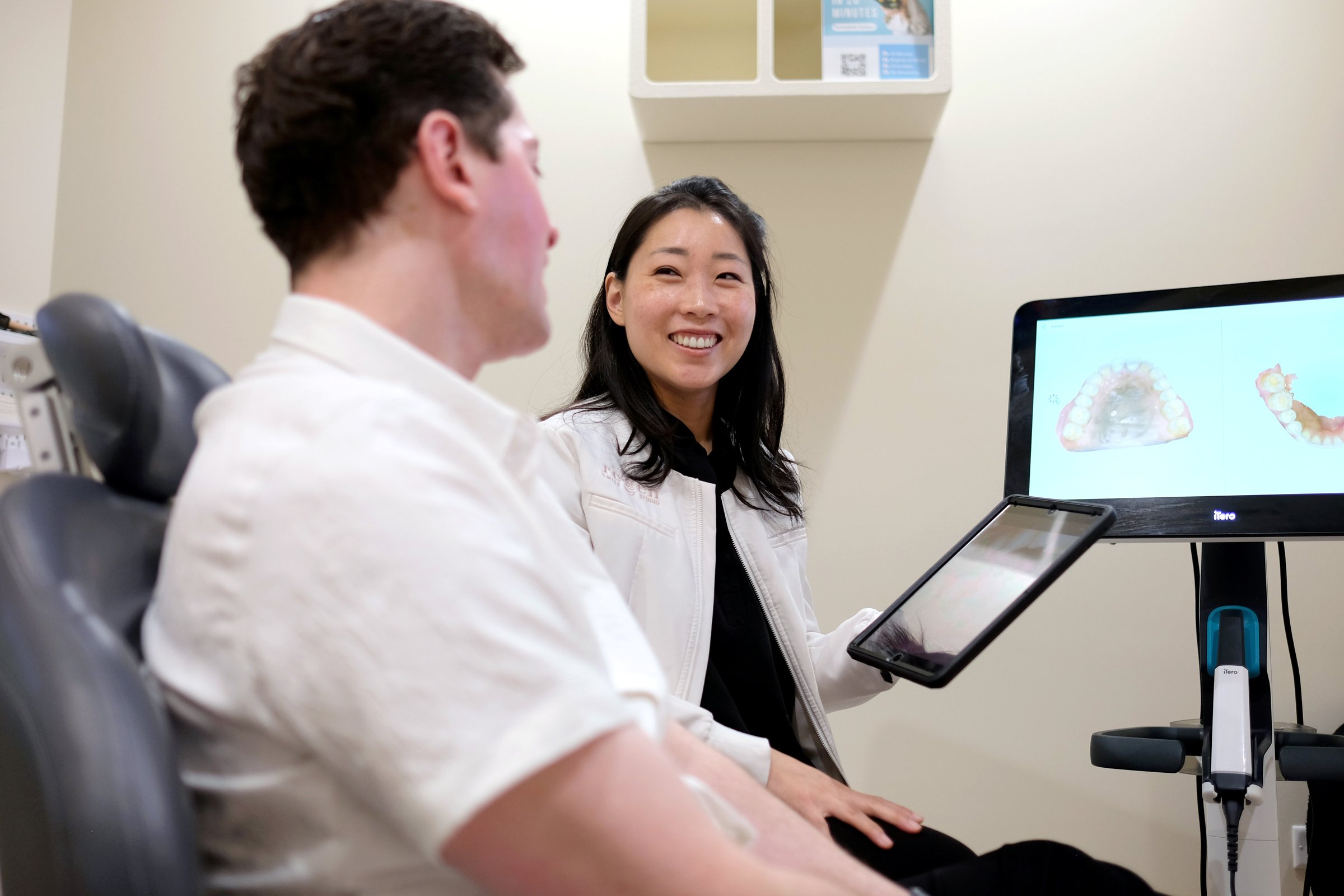
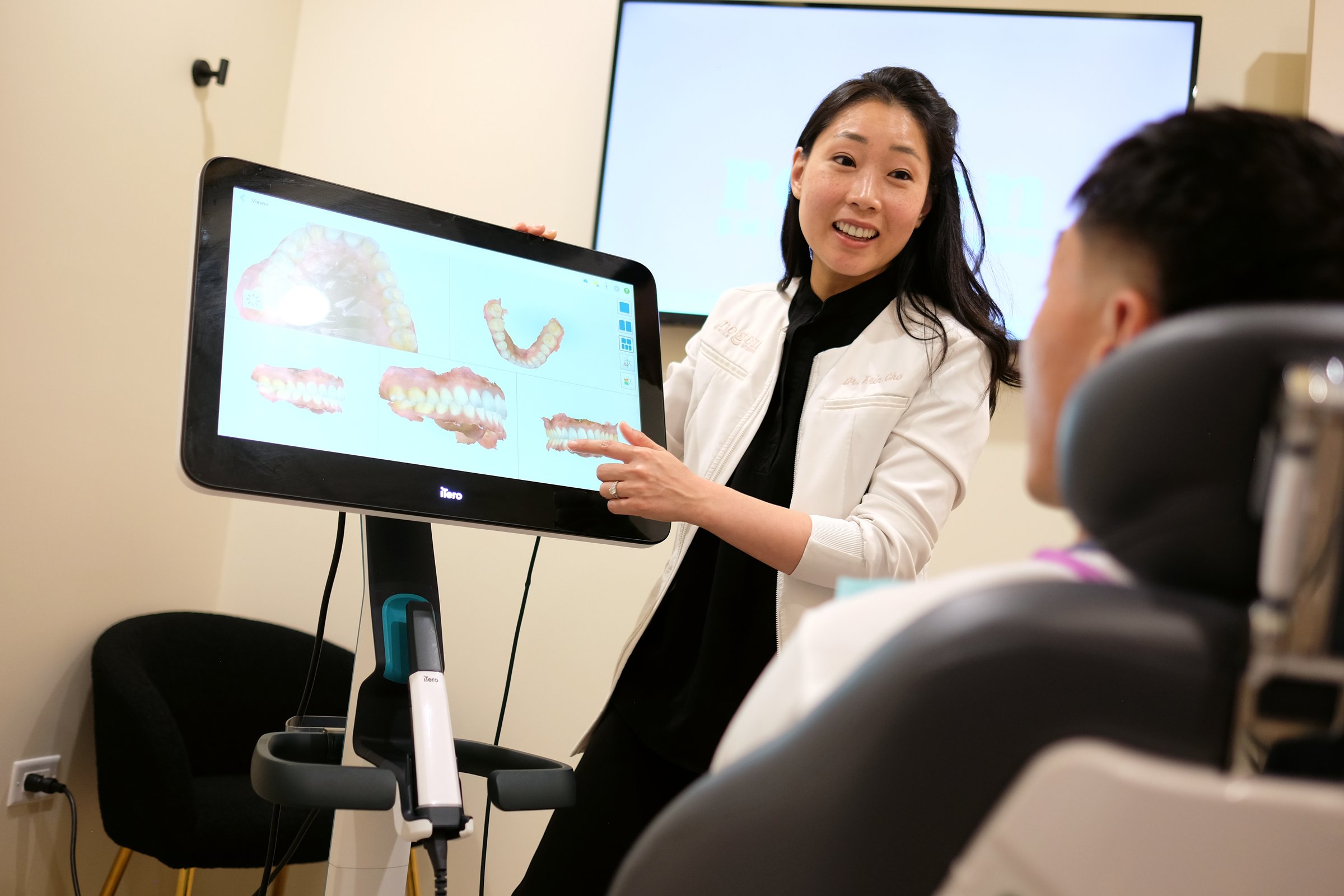
It starts with a quick check of your teeth and gums, and a conversation about how white you'd like to go. Our usual suggestion is to take your own teeth as bright as they can comfortably and predictably go. The result looks natural on you, and you aren't chasing a shade your enamel can't reach.
Your teeth are cleaned of plaque so the gel reaches the enamel evenly. Then a professional-strength gel goes on the front of your teeth in a few short rounds during the same visit. In-office gel is stronger than store-bought kits, so you see a change before you leave.
At the end you compare the new shade with where you started, and you go home with notes on what to eat and drink for the next day or two.
“Most people today are looking for a brighter smile that still looks natural.”
Whitening done under a dentist's care doesn't wear away enamel. The gel works on the stain inside the tooth, not by scraping the surface. What it can do is make teeth sensitive for a short while.
Some people feel short, sharp twinges or a dull ache with cold drinks for a day or two afterward. It fades on its own. If your teeth are already sensitive, tell us beforehand so the treatment can be adjusted. Cavities and gum problems should be treated first, because the gel can irritate them.
Often a year or more, depending on what you eat and drink. Whitened teeth pick up stain the same way they did before, so heavy coffee, tea or red wine drinkers see it fade sooner.
Rinse with water after dark drinks, and use a straw for iced coffee when you can. Smoking and vaping undo whitening quickly. Regular cleanings take off new surface stain in between.
Our founder, Dr. Erin Cho, and Dr. Ashley Choi, both trained at the University of Illinois Chicago.
Meet our team
3208 N Lincoln Ave, Lakeview. Open Tuesday to Friday, with street parking nearby.
About the studioSomething else on your mind? Call (312) 584-0707
Yes, when your teeth and gums are healthy and a dentist is overseeing it. Cavities and gum problems are treated first, because whitening gel can irritate them.
It's faster. In-office gel is stronger, so you see a change in one visit. Strips are milder and take weeks to get close.
Only on the surface. It polishes off fresh stain but doesn't change the color of the tooth itself.
As white as your own enamel can comfortably go. That depends on your enamel and the kind of stain, and we'll tell you what to expect before you start.
Yes, but only your natural teeth will change. If you're planning new crowns or veneers on front teeth, whiten first so they can be matched to the new shade.
Wait a day or two. Your teeth pick up stain most easily right after whitening, so skip coffee, tea, red wine and other dark foods for now.
Start with a short visit. We'll check your teeth and gums, talk about the shade you'd like, and tell you how far whitening can take your own teeth.