


Our dentists
Our founder, Dr. Erin Cho, and Dr. Ashley Choi, both trained at the University of Illinois Chicago.
Meet our team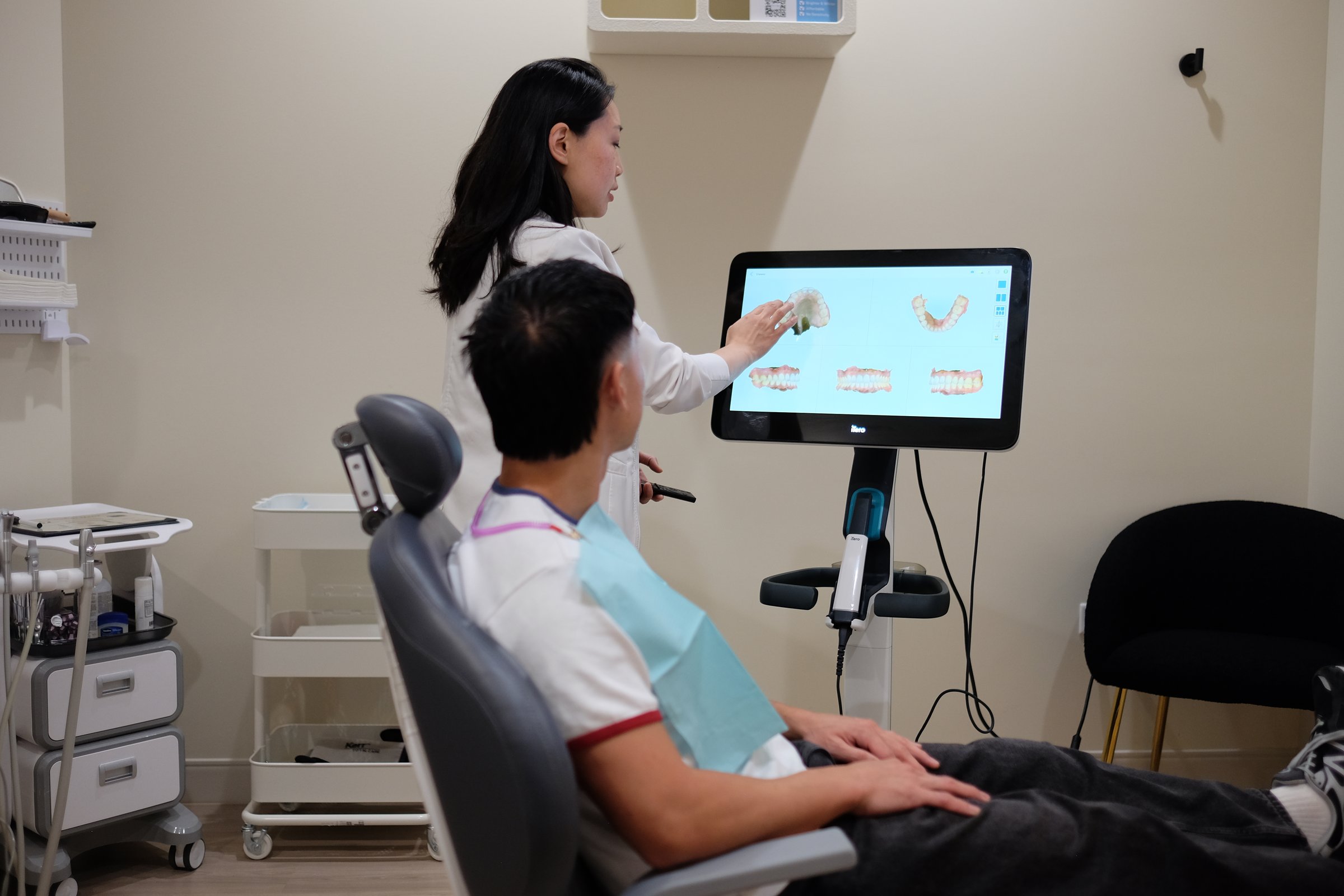
How dental implants replace a missing tooth, who they suit, what each visit involves, and how long healing takes.
Maybe a tooth broke past saving. Maybe it came out years ago and you've learned to chew on the other side. Or you've been told a back tooth has to come out, and you want to know what goes in its place. Dental implants are the closest thing to getting the tooth back.
We plan dental implant treatment at our practice in Lakeview, on Lincoln Avenue in Chicago. Dr. Erin Cho is a Fellow of the International Academy of Dental Implantology, and her training includes an oral surgery rotation at Evanston Hospital. Below is how an implant works, how it compares with a bridge, and what to expect from the first visit to the final crown.
“I'm always searching for the best techniques to preserve what's healthy, restore what's been lost, and ultimately help regenerate the health and wellness of your smile.”
An implant replaces the whole tooth, root and all. A small post goes into the jawbone where the root used to be, and the bone grows tightly around it. A connector called an abutment then attaches to the post, and the crown, the part you see and chew with, fits on top.
Because it's anchored in the bone, an implant stands on its own. It doesn't lean on the teeth beside it. It also keeps the bone in that spot working. When a tooth is lost and nothing replaces the root, the bone there slowly shrinks, which is why a gap left for years can be harder to fill later.
It depends on the teeth around the gap, the bone underneath and what you want. An implant is the closest to a natural tooth, but it takes a few months and involves a small surgery.
A bridge is a false tooth held by crowns on the teeth either side. It's quicker, but those two teeth have to be filed down to hold it, even if they were healthy. A partial denture is a removable plate with one or more teeth on it. It costs less and comes out to clean, and many people find it takes some getting used to.
You can also leave the gap. Some people do, and that's a fair choice for a tooth far back in the mouth. Over time, though, the teeth beside and above it tend to drift into the space, and that can change how your teeth meet.
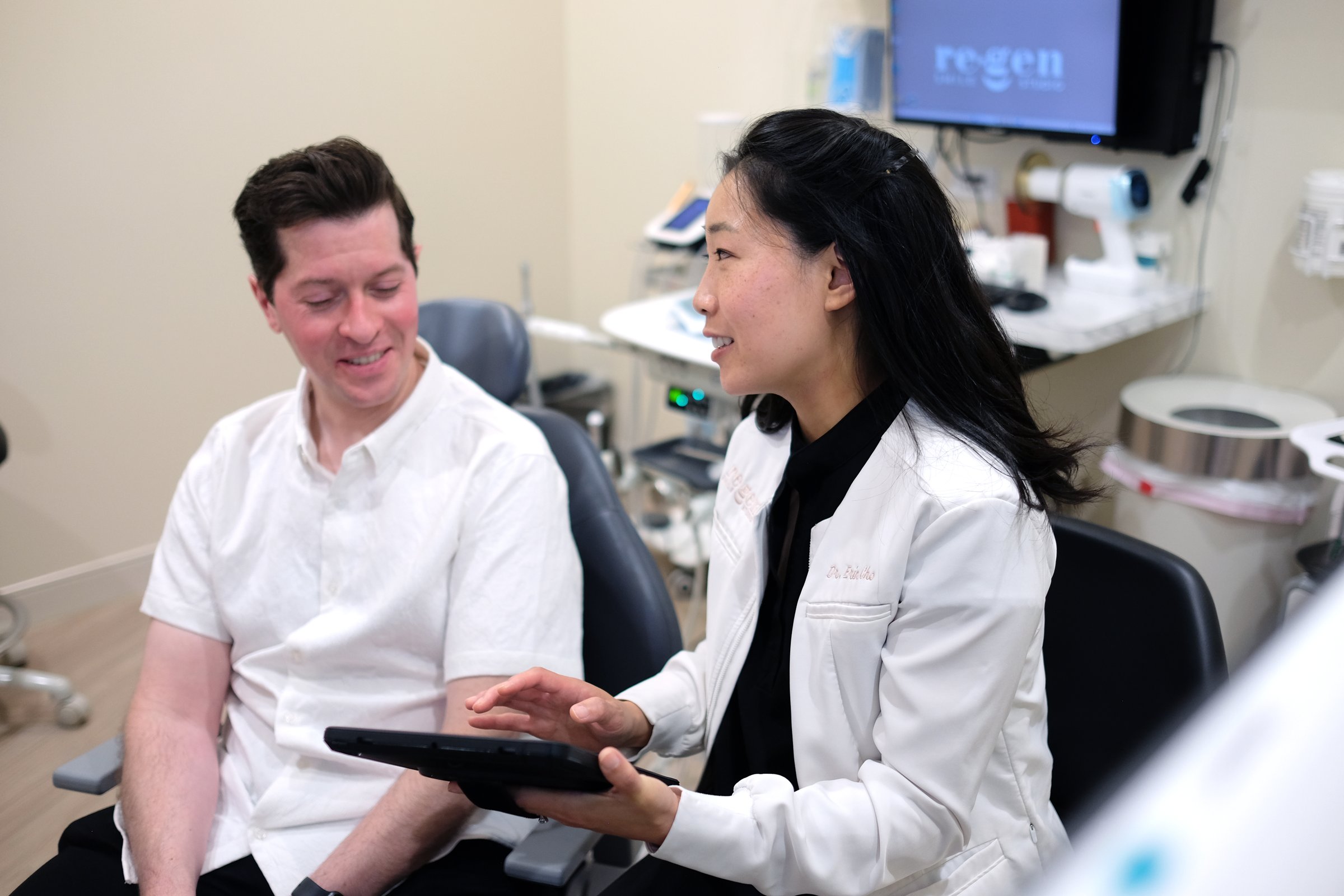
If the tooth is still in your mouth, we first look at whether it can be kept. Teeth are more resilient than most people think, and a root canal and a crown can often keep a damaged tooth going for many years.
Sometimes keeping it isn't the safer bet. A tooth that has cracked below the gum, or has already had more than one root canal, may not last. You'll see your X-rays and hear how predictable saving the tooth would be, so you weigh both paths yourself instead of taking one on trust.
When a tooth fails, it's easy to replace it and move on without asking why it failed. Re·gen is a new kind of regenerative dental studio, and the cause is where we start. We look underneath the tooth at the gums and the bone on your X-rays and scan, and check whether grinding or the bite played a part. Treat the cause first, and the implant doesn't meet the same problem, so it has a better chance of lasting.
“It's not always black and white. Age and the long-term prognosis of the tooth matter a lot. In a younger patient, especially someone who is still growing, preserving the natural tooth is usually the priority. If a tooth has already had multiple root canals or has a poor long-term prognosis, then an implant may become the more predictable option.”
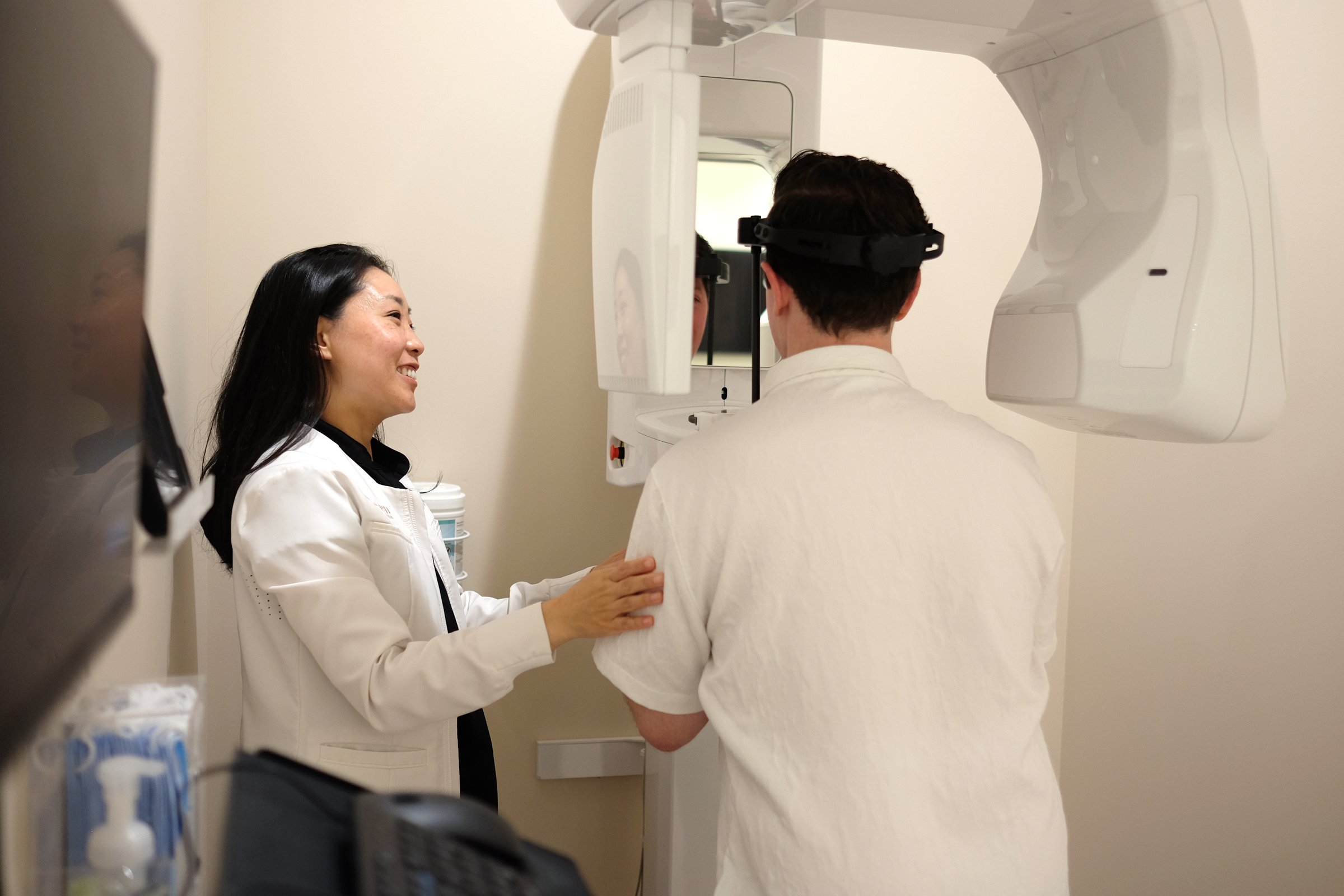
Most adults who have lost a tooth can have an implant. What matters is the bone, the gums and your general health. X-rays and a scan show how much bone is there, and an exam checks the gums. Gum disease is treated first, because it can loosen an implant the same way it loosens a tooth.
Smoking and poorly controlled diabetes slow healing, so they're worth talking about at your consultation. Neither always rules an implant out. Implants also wait until the jaw has finished growing, usually by the late teens or early twenties.
People are often told they don't have enough bone and assume that's the end of it. Usually it isn't. A bone graft can rebuild the area, either a few months before the implant or at the same visit.

An implant is done in stages over a few months. Most of that time is healing, and you go about life as usual in between.
For a single implant, plan on three to six months from placement to the final crown. Most of that is the bone bonding to the post, which dentists call osseointegration. You can't hurry it, and it's what makes the implant strong enough to chew on.
It takes longer if the tooth has to come out first or the bone needs rebuilding. A graft usually needs a few months to heal before the post goes in, so the whole thing can run closer to a year.
The placement itself shouldn't hurt. The area is numbed before the post goes in, so you'll feel pressure and some vibration, not pain.
Expect some soreness and swelling for a few days afterward. An over-the-counter pain reliever and a cold compress on the cheek usually handle it, and most people are back at work in a day or two. Eat soft food and chew on the other side for the first week. Keep the area clean the way you're shown, and if you smoke, this is a good week to stop, because smoking slows healing.
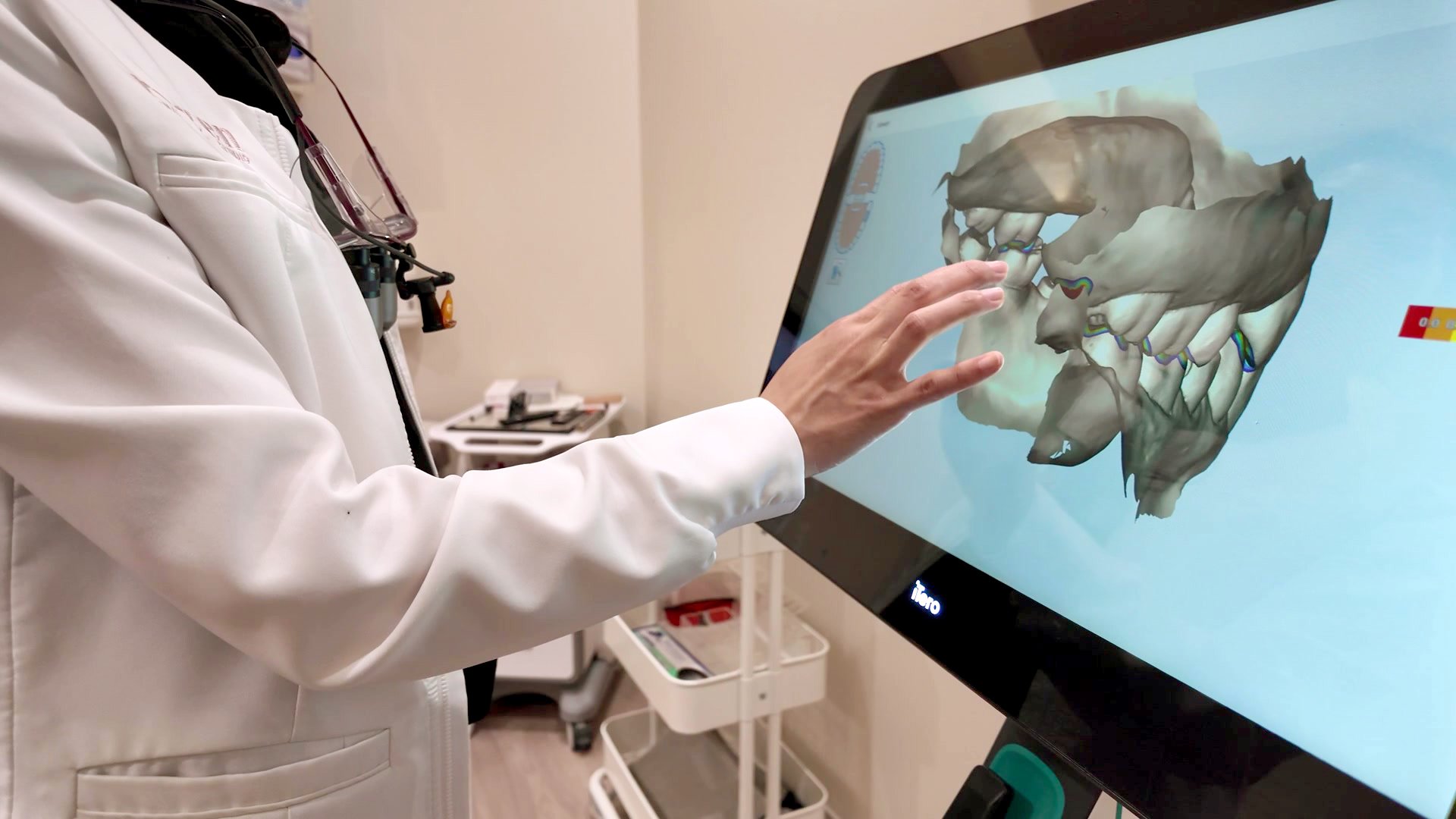
So what cost you the tooth doesn't cost you the implant
“Even if someone comes in for one tooth, I still zoom out. I want to understand why that tooth got there.” Dr. Erin Cho
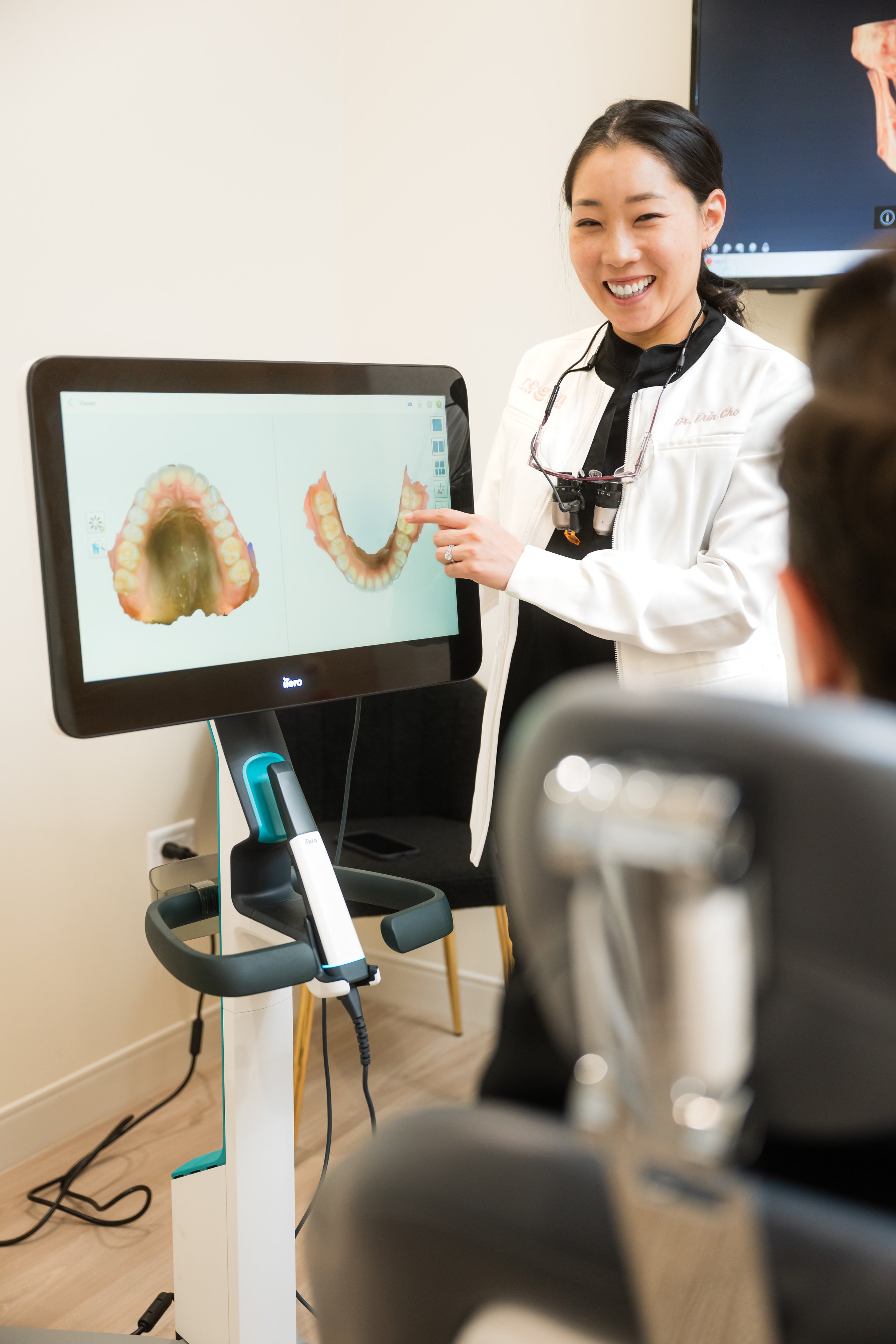
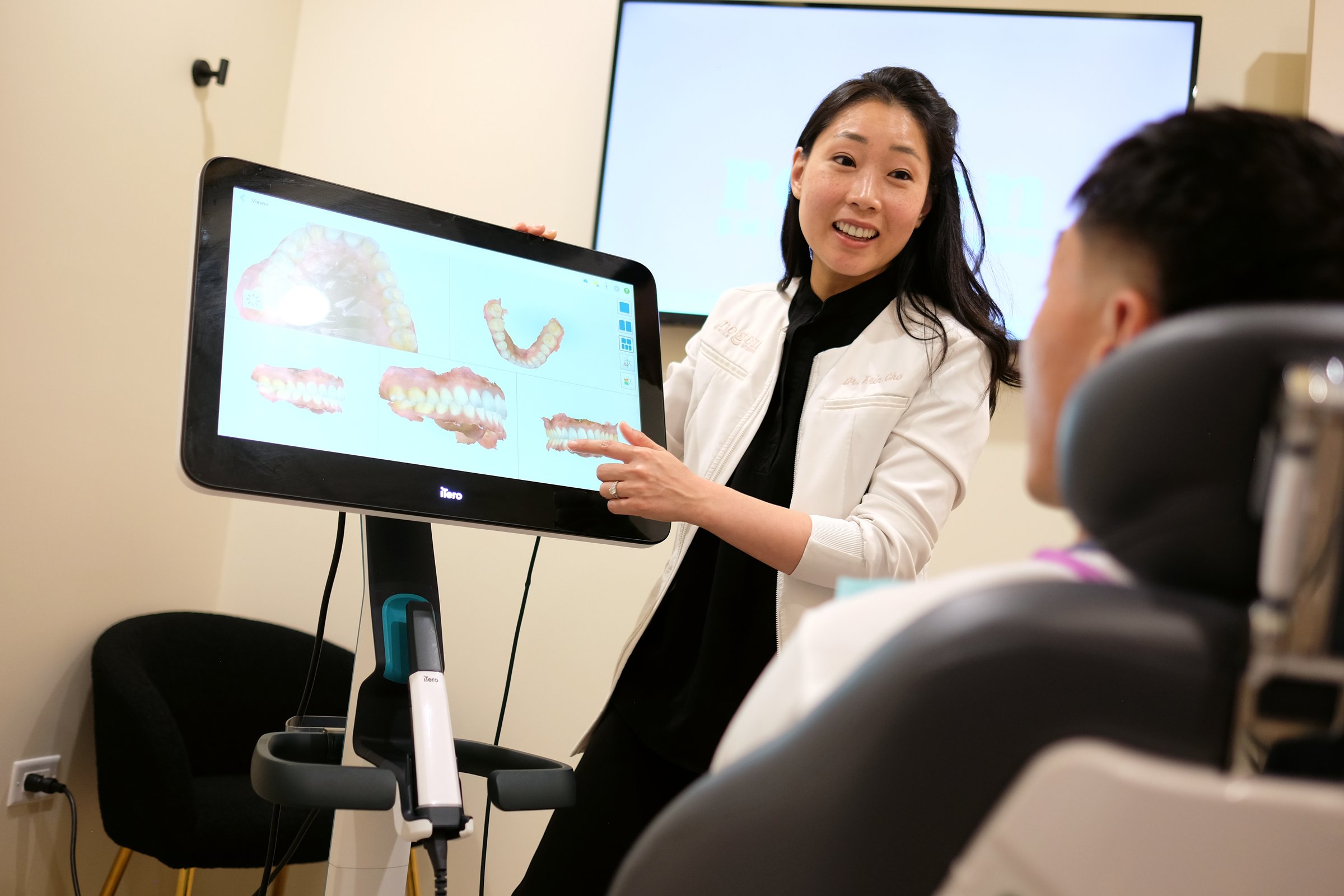
Decide with the X-rays in front of you
“When I put a photo up, people usually go quiet. Then they start asking clearer questions because now they can actually see it.” Dr. Erin Cho
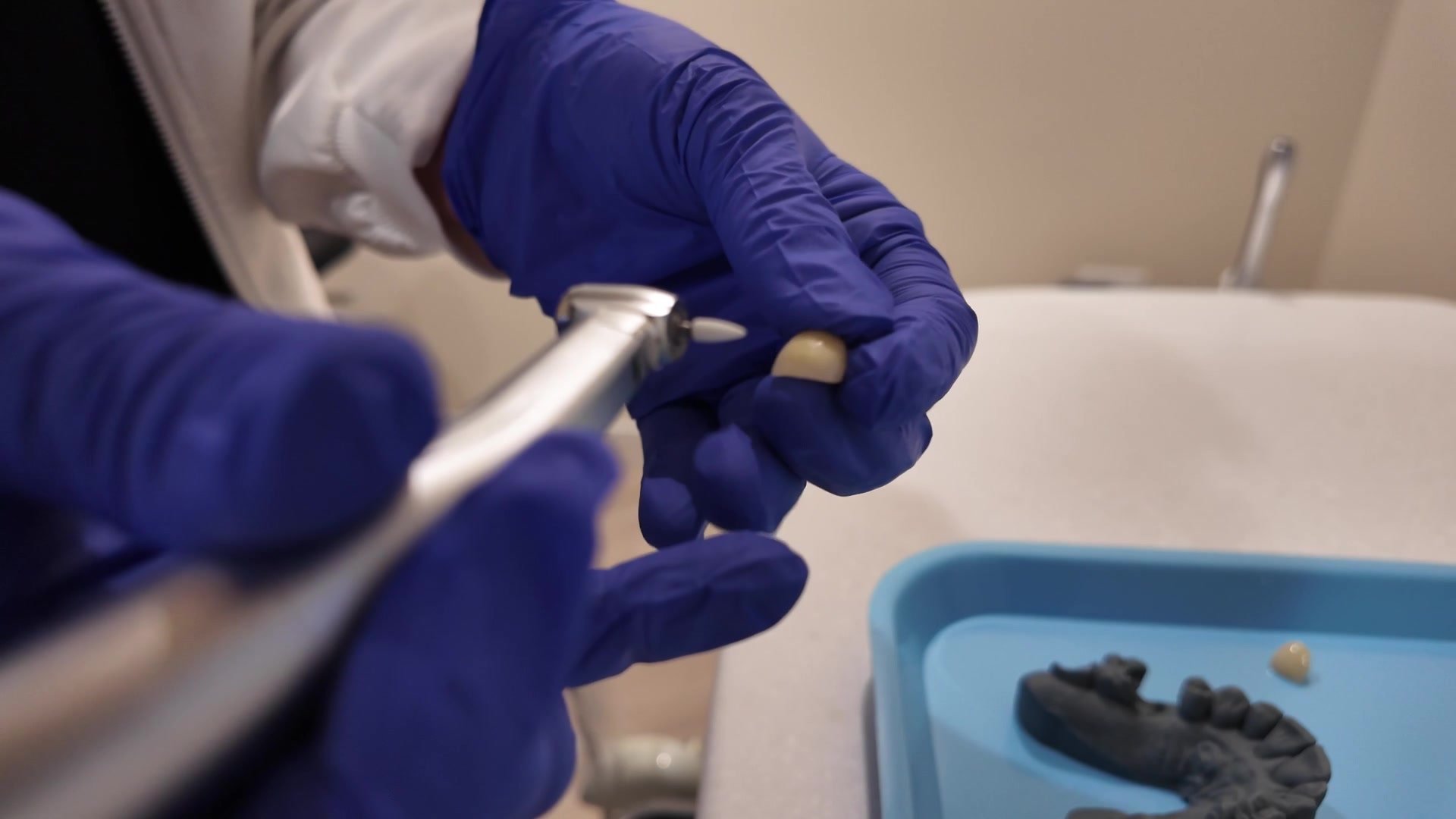
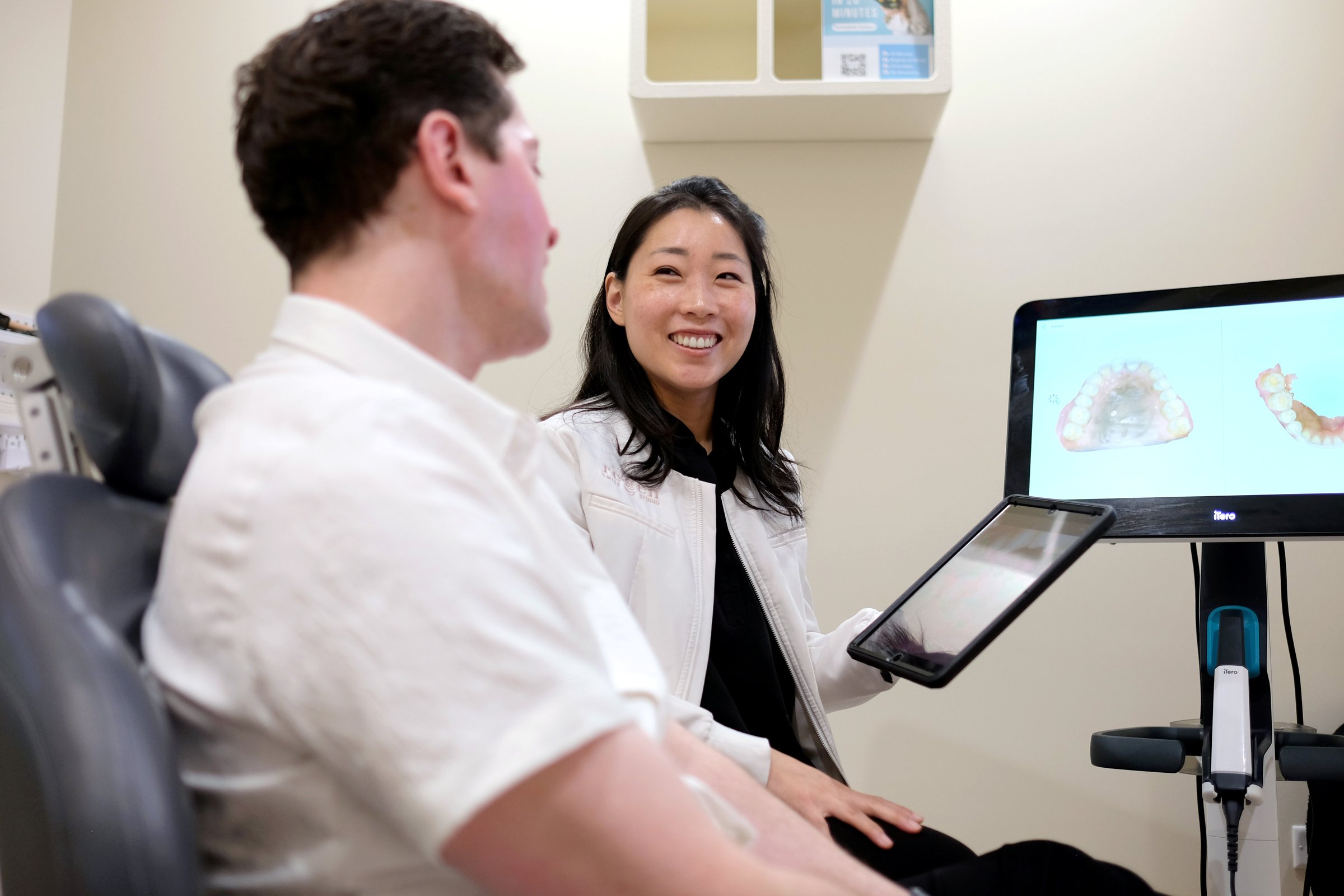
The tooth you'll see
“Being very thorough with the process of printing out a crown for my implant…” Don Purnama, in a Google review
With good care, the implant itself can last for decades. The crown on top does the chewing and may need replacing at some point, the way any crown does.
A common belief is that an implant needs no looking after because it can't get a cavity. It can't decay, but the gum and bone around it can still get infected, much like gum disease, and that's one of the main reasons implants fail. Brush twice a day, clean around it with floss or a small brush, and keep your regular cleanings. If you grind your teeth at night, a night guard protects the crown.
It depends on how many teeth are being replaced, whether a tooth needs to come out first, whether the bone needs a graft, and the type of crown. You'll get a written plan with the cost of each stage before anything begins.
Some dental plans pay toward part of an implant, often the crown. We're in network with most PPO plans. We make using your dental benefits simple. Contact us and our team will be happy to help you understand what your plan may cover.
“I lost a tooth (due to eating a popcorn kernel, I know, very sad) and was waiting for my dental implant to finish setting. They made the entire process seamless and almost effortless.”
360+ 5-Star Google Reviews
“The dentist did everything possible to save my tooth”
“Very polite and professional staff… The dentist did everything possible to save my tooth, and the whole experience was as comfortable as it could be.”
 Pavel ZhinGoogle · May 2026
“They actually show you images & x-rays”
“A really nice touch is that they are very transparent with what is being done and why - they actually show you images & x-rays and walk you through what they are seeing.”
 Kory KukukGoogle · Jan 2026
“One of the most honest, trustworthy dentists I know”
“She is one of the most honest, trustworthy dentists I know. I speak whole heartedly in this manner as the son of a dentist. Dr. Cho will make sure you are taken care of comfortable and never push any unnecessary procedures.”
 Derrick AgnolettiGoogle · Nov 2025
“Incredibly thoughtful, patient, kind and skilled”
“Dr Erin and her team were incredibly thoughtful, patient, kind and skilled. They really took their time to understand my history and concerns, were gentle in their approach, and clearly communicated the plan.”
 Amanda SaratsisGoogle · Jun 2026
Our founder, Dr. Erin Cho, and Dr. Ashley Choi, both trained at the University of Illinois Chicago.
Meet our team
3208 N Lincoln Ave, Lakeview. Open Tuesday to Friday, with street parking nearby.
About the studioSomething else on your mind? Call (312) 584-0707
Decades, with good care. The crown on top may need replacing at some point because it takes the daily wear.
Usually three to six months for a single implant, most of it healing. If a tooth has to come out first or the bone needs a graft, it can take closer to a year.
Often, but not always. An implant leaves the neighboring teeth alone, while a bridge needs them filed down. A bridge is quicker and can suit a gap where the teeth either side already need crowns.
Often, yes. A bone graft can rebuild the area, before the implant or at the same visit. X-rays and a scan show how much bone there is.
No. There's no upper age limit. What matters is the bone, the gums and your general health.
Usually nothing quickly. Over time the bone there shrinks and nearby teeth can drift or tip into the gap, which can change your bite.
Usually not. A temporary tooth can fill the space during healing, especially for a front tooth.
Sometimes, in part. We make using your dental benefits simple. Contact us and our team will be happy to help you understand what your plan may cover.
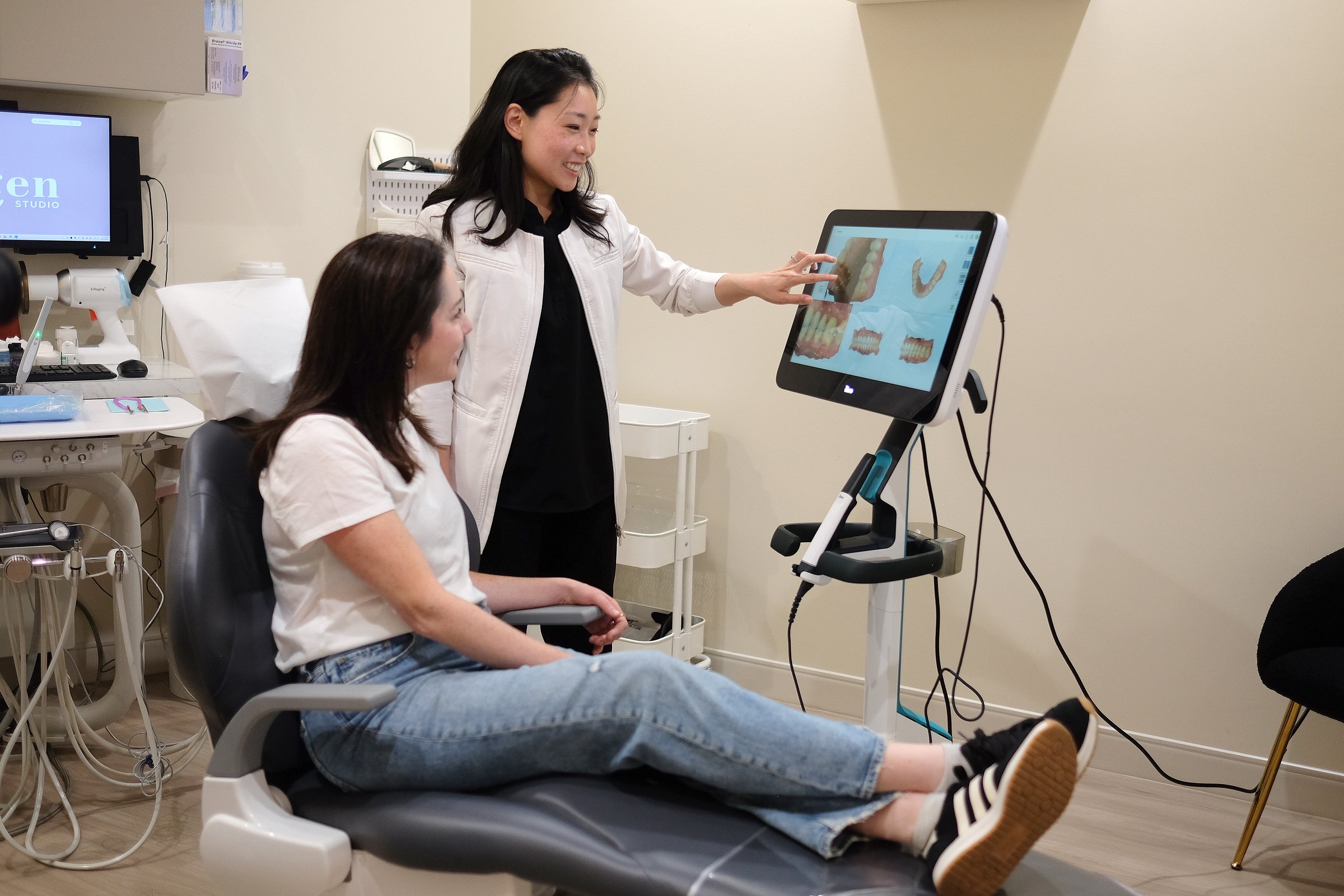
Start with a consultation. We'll look at your X-rays and scan together, go through every option, including keeping the tooth, and give you a clear plan and cost before anything begins.