


Our dentists
Our founder, Dr. Erin Cho, and Dr. Ashley Choi, both trained at the University of Illinois Chicago.
Meet our team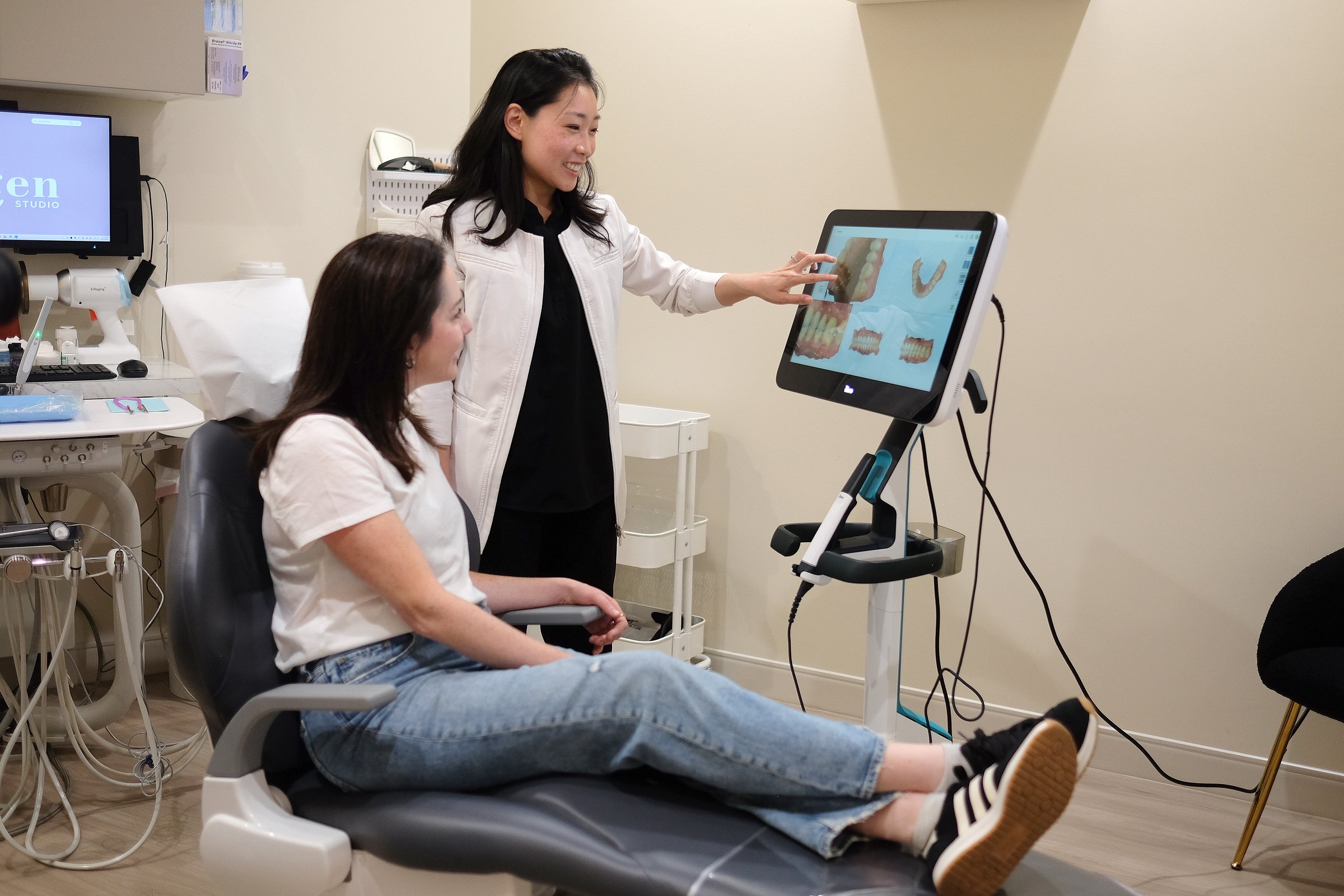
How bone grafting for implants rebuilds a thin jaw, when you need it, and how long it takes to heal.
You asked about an implant and heard a phrase you didn't expect: not enough bone. Maybe the tooth came out years ago and the jaw has thinned where it used to sit. Maybe gum disease took some bone along the way. Bone grafting for implants rebuilds that spot so a new tooth has something solid to hold onto.
Re·gen, in Lakeview, Chicago, is a new kind of regenerative dental studio. We look after the gums, the bone and the causes underneath, so an implant has healthy bone and gums around it for the long run. Dr. Erin Cho has additional training in bone regeneration with PRF, a healing material made from a small sample of your own blood. Here's how a graft works, when it's needed, and what healing looks like.
“Gum disease can progress quietly without much discomfort, and once bone has been lost, it can be much harder to regain.”
A bone graft puts bone material where bone is missing. It works as a scaffold. Over the following months, your body grows its own new bone into it, and the graft material is slowly replaced.
Guided bone regeneration, or GBR, adds a thin membrane over the graft. Gum tissue heals faster than bone, and without the membrane it would fill the space first. The membrane keeps it out, so the bone has room and time to grow.
The graft material can be your own bone, donor bone that has been processed and sterilized, bone from an animal source, usually cow, or a synthetic material. You'll be told which one is planned for you, and why, before anything is placed.
Not always. Plenty of people have enough bone for an implant as it is. A graft comes into it when a tooth has been missing long enough for the jaw to shrink, when gum disease or an injury has worn bone away, or when the bone is too thin to cover the implant fully.
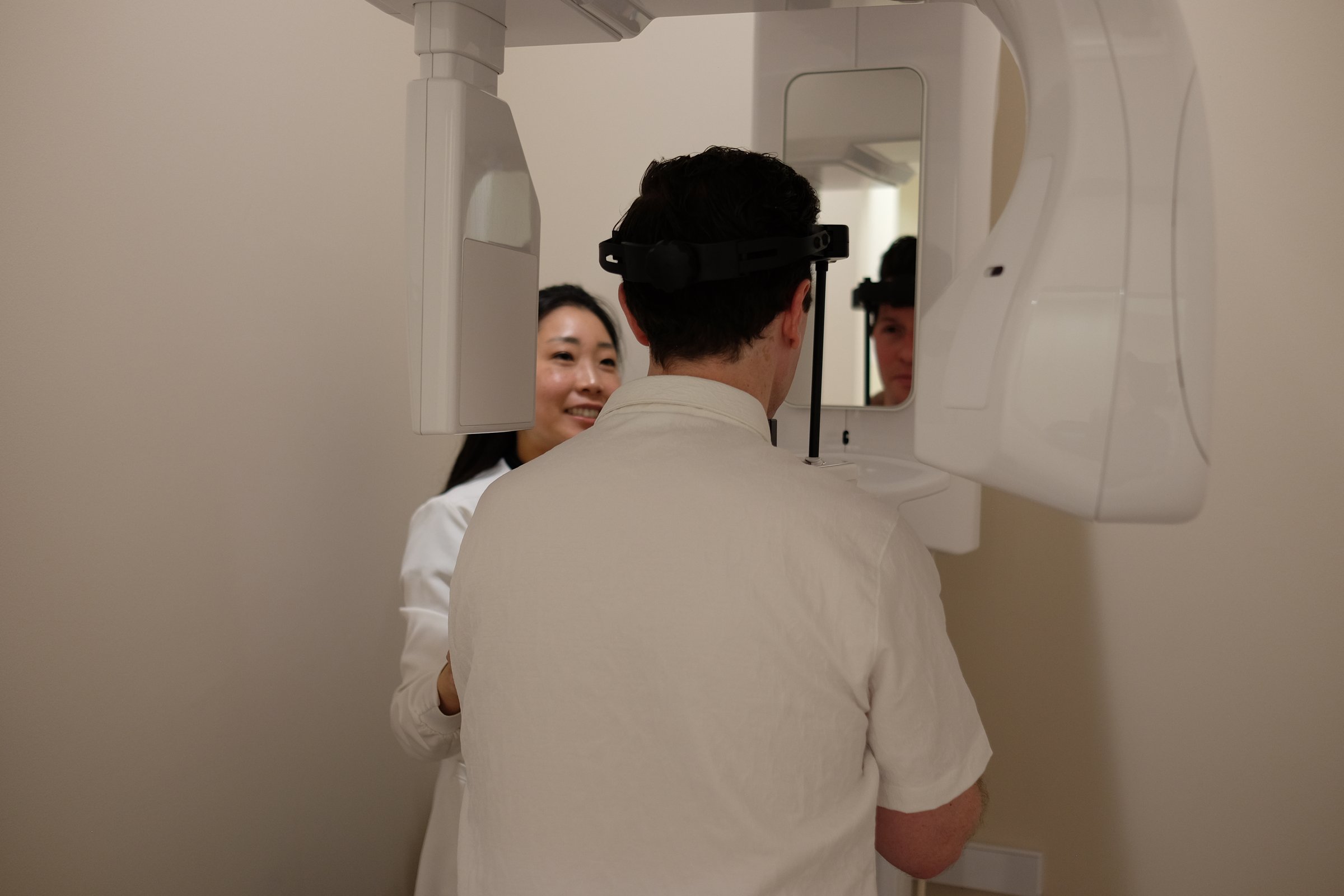
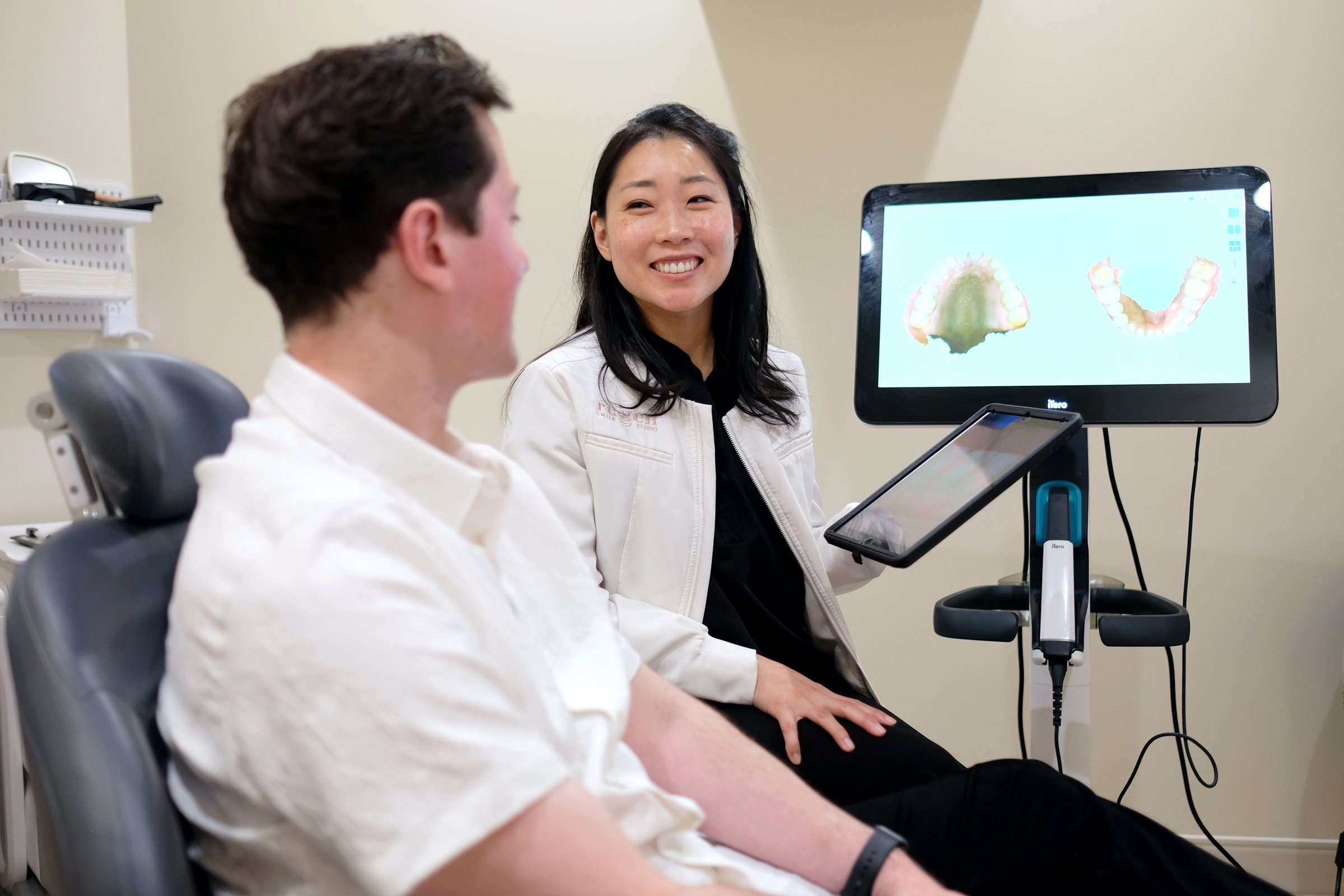
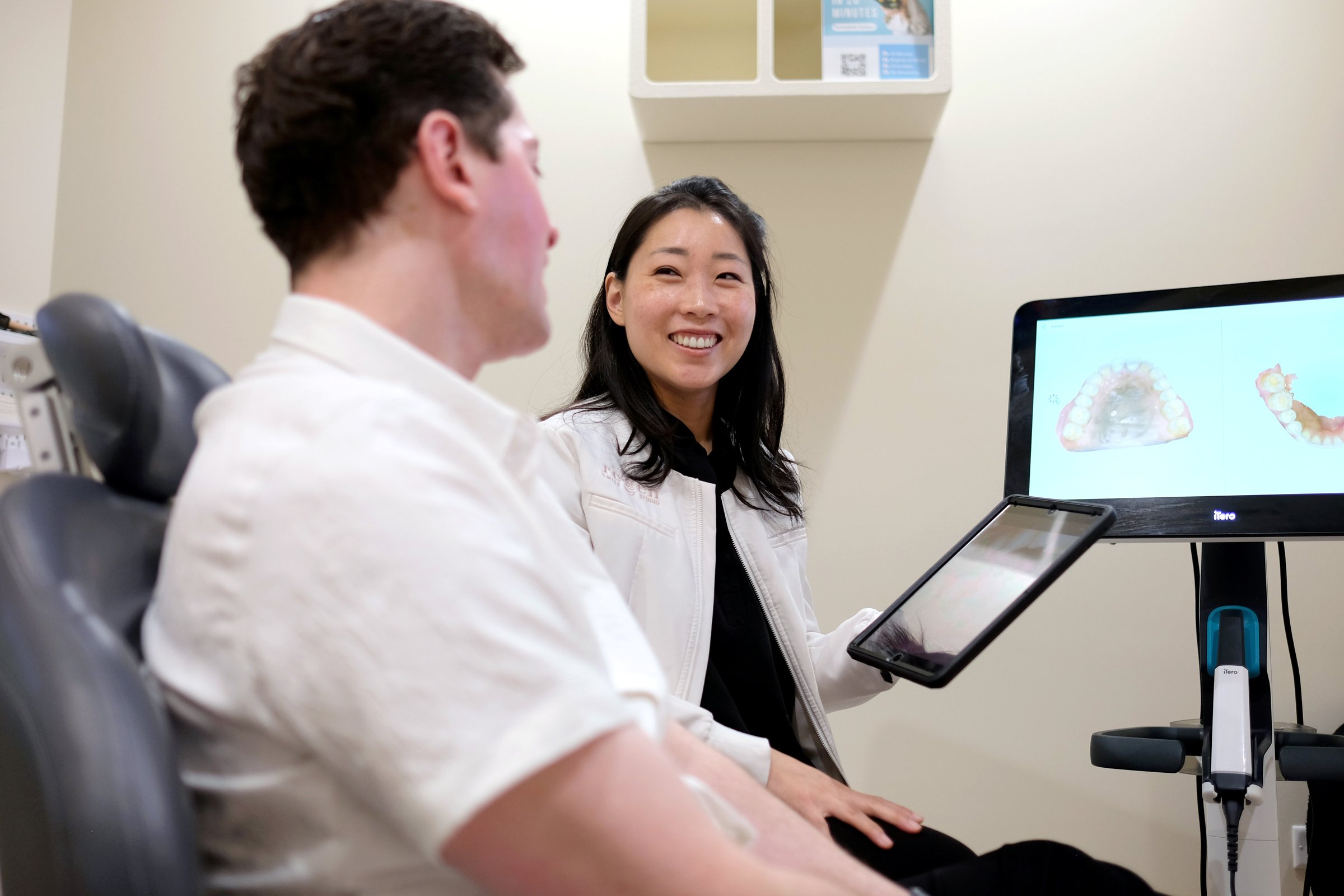
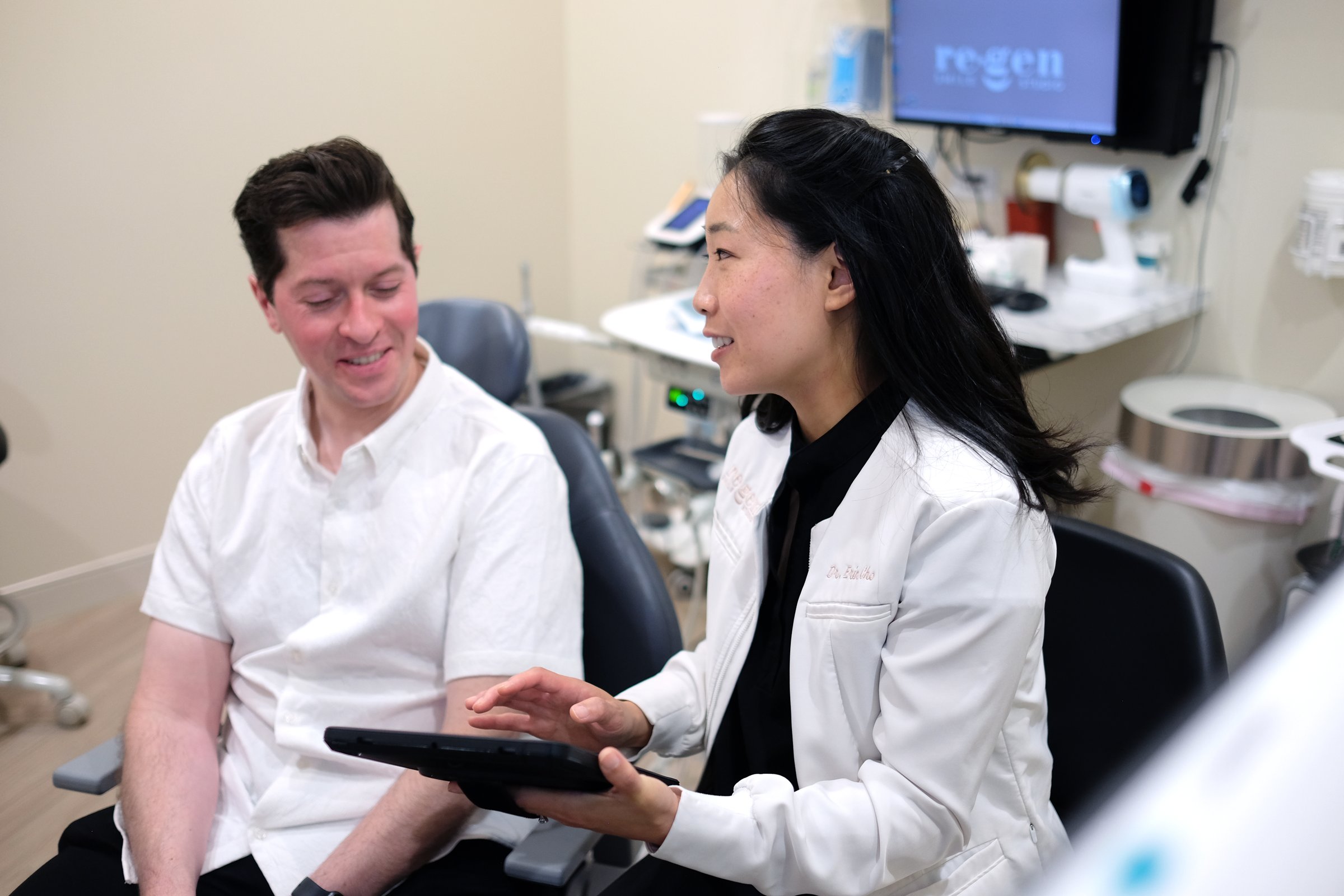
Usually a graft shows up in a treatment plan as one more step you're asked to take on trust. We'd rather you see the reason. Your X-rays and 3D scan go up on the screen and we walk you through them: how much bone there is, and where it's thin. Once you've seen the thin spot yourself, you understand why a graft is in the plan, and the decision is yours. Then the question is why the bone was lost. If gum disease caused it, the gums are treated first, or the new bone would be at risk too.
Being told you don't have enough bone isn't the end of the implant conversation. For most people it adds a step and some months.
The jawbone starts to shrink soon after a tooth comes out, and most of that happens in the first few months. If you're planning an implant, a graft can be placed in the empty socket on the day of the extraction. This is called socket preservation. It keeps the bone from collapsing while the area heals.
You don't have to commit to an implant that day. If you're having a tooth out and think you might want an implant later, ask about it before the extraction.
A graft is a small surgery done with the area numbed. Afterward, expect some swelling and soreness for a few days. A cold compress and an over-the-counter pain reliever usually manage it. Eat soft food, chew on the other side, and don't poke at the area with your tongue. It's common to find a few small, sand-like grains in your mouth in the first days.
New bone grows slowly. Most grafts need four to six months before an implant can go in, and larger areas can take longer. When the bone is close to enough already, a small graft can sometimes be placed at the same visit as the implant, which saves a step.
“The goal isn't just to fix one tooth; it's to rehabilitate and, when possible, help regenerate the health of the whole mouth.”
Our founder, Dr. Erin Cho, and Dr. Ashley Choi, both trained at the University of Illinois Chicago.
Meet our team
3208 N Lincoln Ave, Lakeview. Open Tuesday to Friday, with street parking nearby.
About the studioSomething else on your mind? Call (312) 584-0707
Often, yes. Bone grafting for implants, or guided bone regeneration, can rebuild the area first so the implant has solid bone around it.
Not during it, because the area is numbed. Soreness and swelling for a few days afterward are normal and usually eased with over-the-counter pain relievers.
Usually four to six months. Sometimes a small graft and the implant go in at the same visit.
Your own bone, donor bone, animal-derived bone or a synthetic material. You'll know which one is planned, and why, before treatment.
Yes, a few. Small sand-like grains in the first days are common. If a lot keeps coming out, or the area is getting more painful, call us.
Sometimes, often when it's tied to an extraction or an implant. We make using your dental benefits simple. Contact us and our team will be happy to help you understand what your plan may cover.
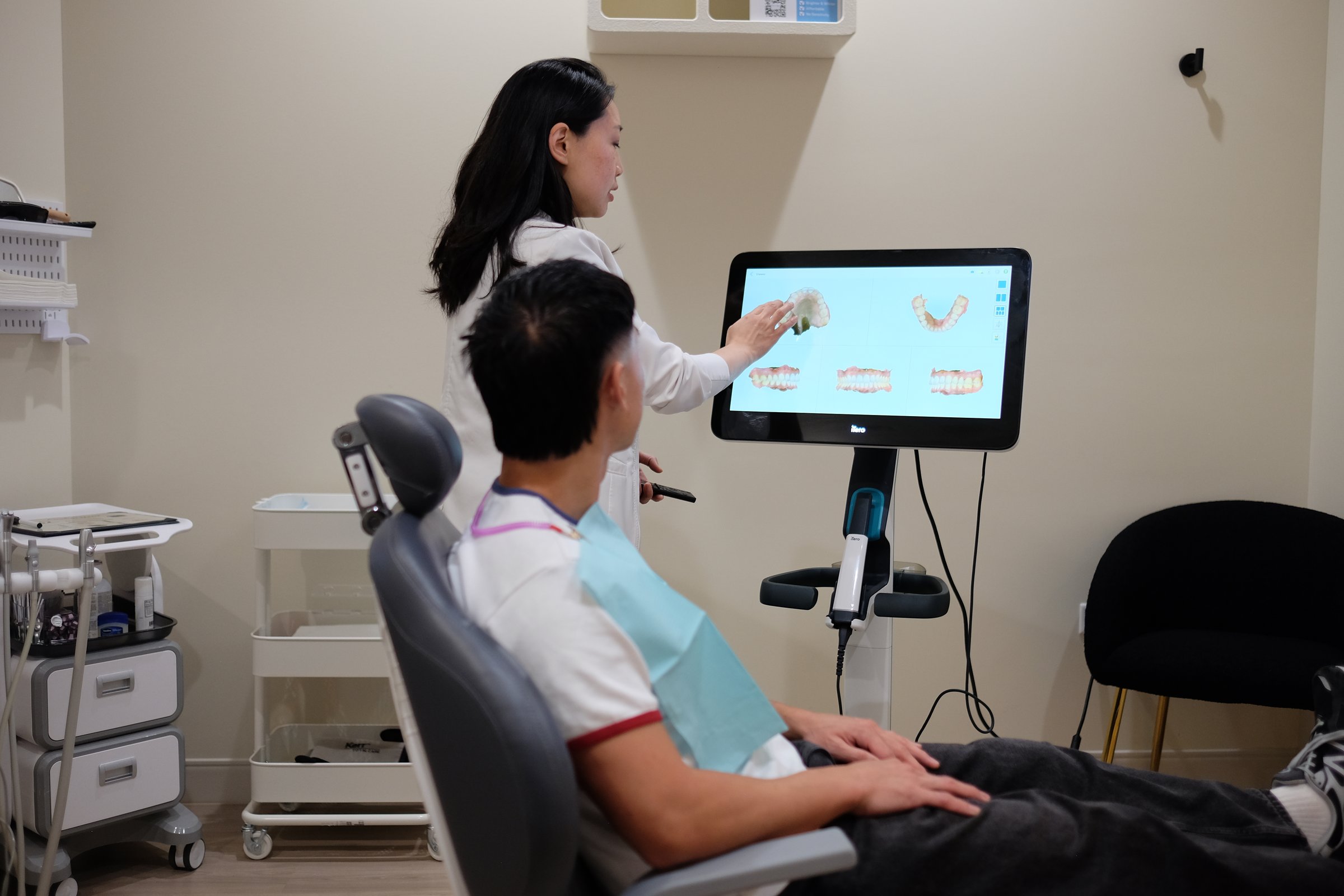
Come in for a look. We'll go over your X-rays and scan together and explain what rebuilding the bone would involve, step by step, before you agree to anything.