


Our dentists
Our founder, Dr. Erin Cho, and Dr. Ashley Choi, both trained at the University of Illinois Chicago.
Meet our team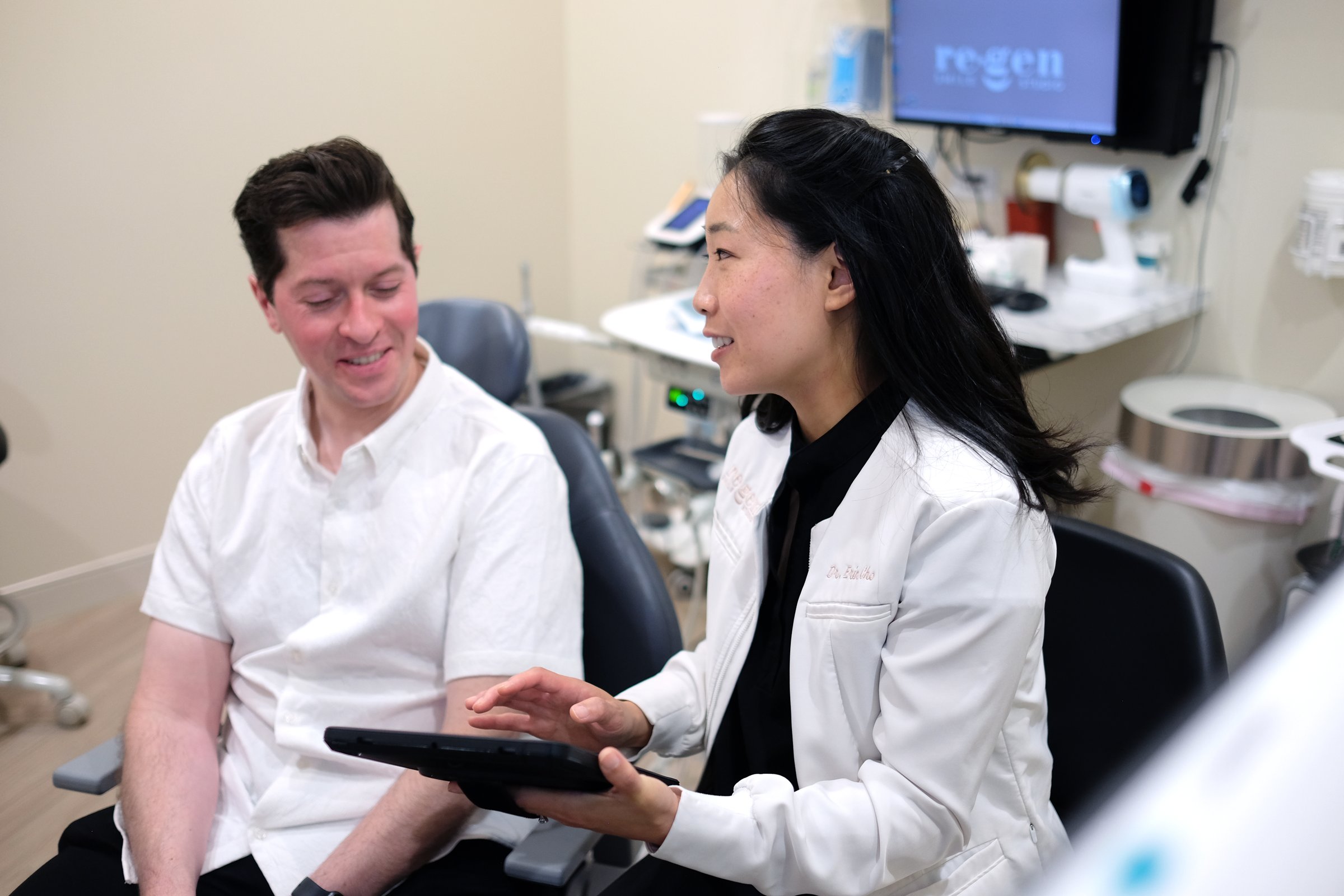
What a professional teeth cleaning removes, what happens in the chair, and how often you need one.
You brush twice a day and floss most days, and there's still a hard, yellowish line along the back of your bottom front teeth. That's tartar, plaque that has hardened in place, and no toothbrush will shift it. A professional teeth cleaning takes it off, along with the plaque hiding in the spots your brush keeps missing.
At our Lakeview studio in Chicago, a dental cleaning is usually paired with a checkup, so anything new is found while it's small. Below is what happens in the chair, and how often to come back.
“People often arrive carrying old dental experiences. We slow things down. We ask what happened and what matters to them.”
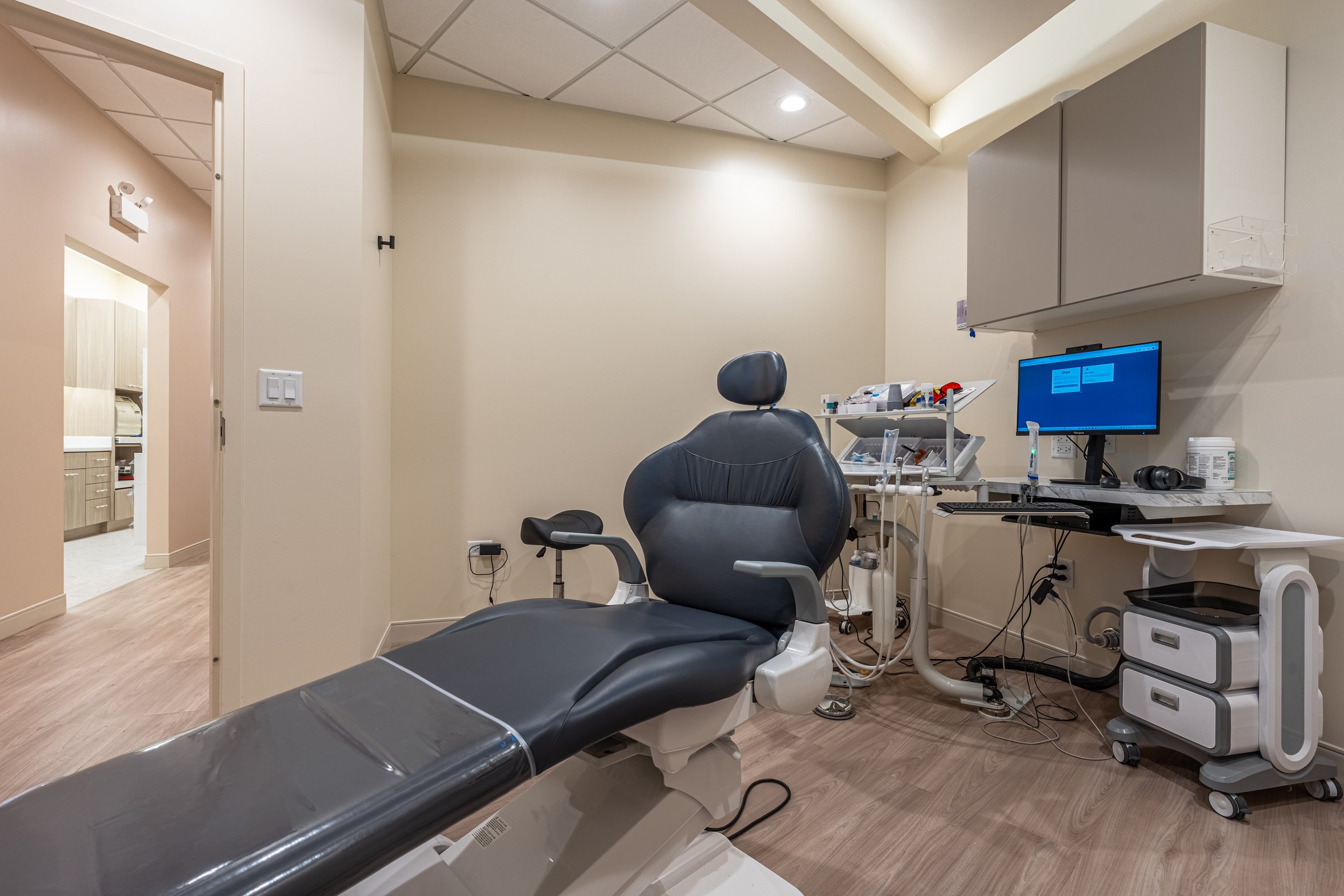
First the tartar comes off. It's scraped away with small instruments, mostly along the gumline and between the teeth, where it builds up fastest. You'll feel scraping and some pressure. If an area is tender, say so and we'll slow down.
Then each tooth is flossed and the teeth are polished. Polishing clears surface stains and leaves the enamel smooth, which makes it harder for new plaque to stick. At the end you'll hear about anything worth keeping an eye on, and any spot your brush keeps missing.
Instead of a gritty paste on a spinning rubber cup, an air polisher uses a fine spray of water, air and powder to lift plaque and stains off the teeth. It reaches into grooves and between teeth, and it leaves no grit in your mouth afterward.
We offer air polishing at cleanings. One patient with sensitive gums wrote that it cleaned so well, Dr. Cho “barely needed to use manual tools.”
“I definitely prefer it over the style where they apply flavored paste to their polishing tool. It was faster, way less noisy (basically just sounds like the little water gun tool), and didn’t leave any gritty residue or aftertaste.”
Every six months suits most people. Some do better every three or four months, because tartar builds up quickly or the gums need closer care. That includes people who've had gum disease or a deep cleaning, smokers, people with diabetes, and people with braces or implants. Pregnancy often makes gums tender and quick to bleed, so an extra cleaning can help then too.
If it's been years, come anyway. The first cleaning may take longer. One patient, back for the first time since before COVID, got to watch National Geographic “rather than focusing on having 6 years worth of junk removed from my mouth.”

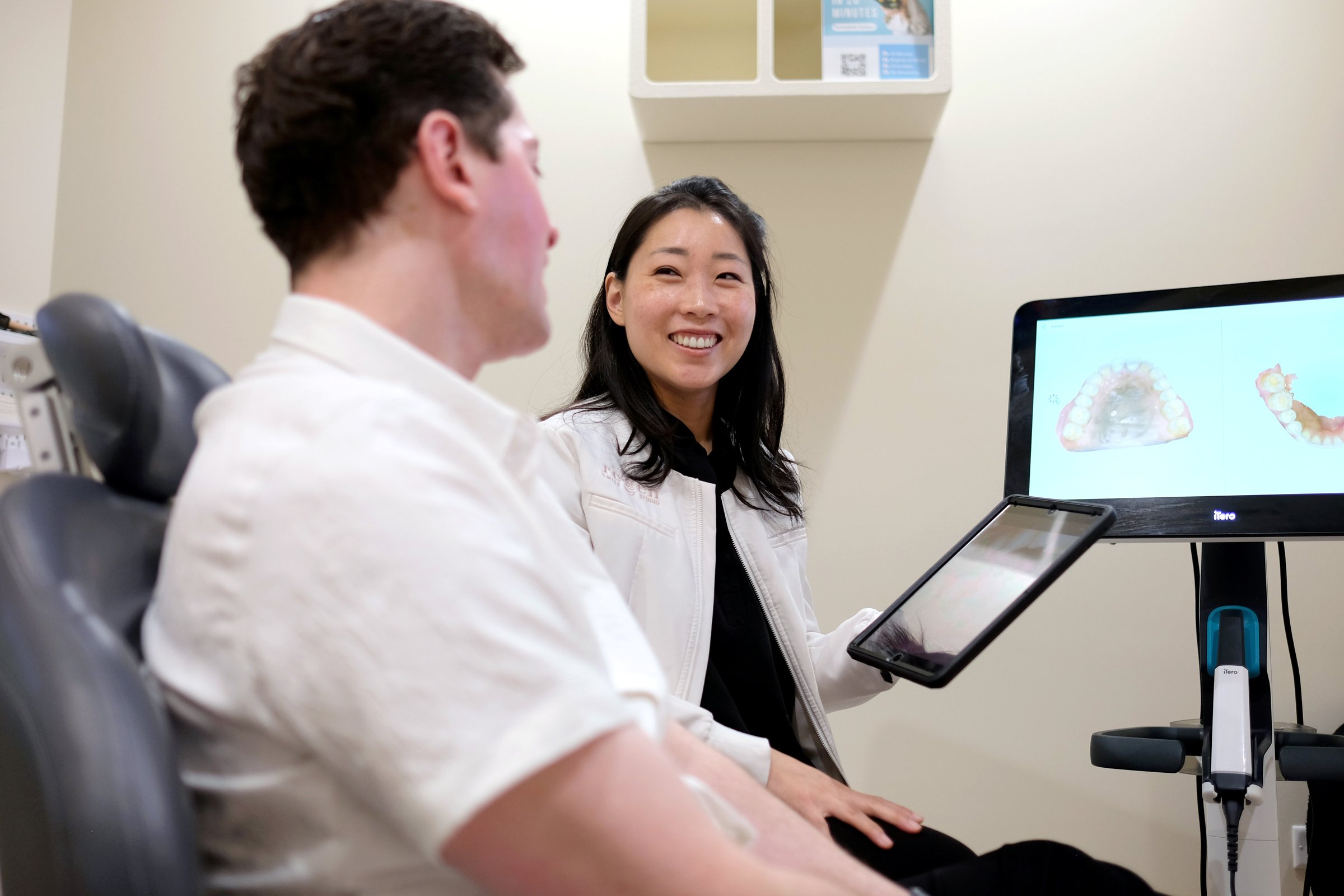
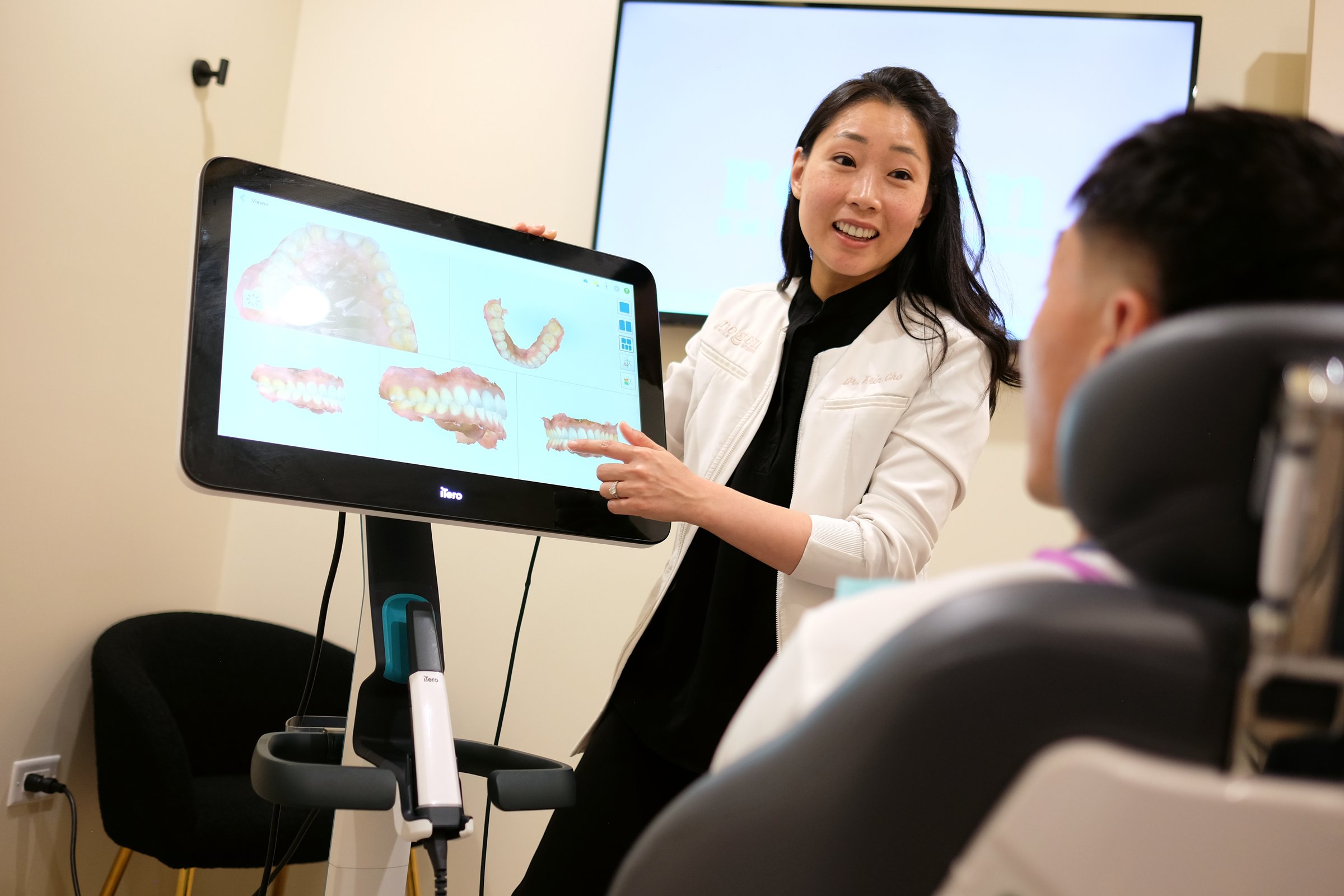
Yes. Your photos and X-rays go up on the screen, and we walk you through what's healthy, what needs care now, and what can be watched, so you can see the reason for anything we suggest.
We look past the teeth, too, at your gums, your bite and habits like clenching. They explain a lot of what happens to teeth, and a problem stopped at its cause doesn't keep coming back.
Quite often, the best answer is to keep an eye on things.
“I never want to make someone feel like we're doing more than is truly needed.” Dr. Erin Cho
Our founder, Dr. Erin Cho, and Dr. Ashley Choi, both trained at the University of Illinois Chicago.
Meet our team
3208 N Lincoln Ave, Lakeview. Open Tuesday to Friday, with street parking nearby.
About the studioSomething else on your mind? Call (312) 584-0707
Usually not. If your gums are inflamed, some areas can feel tender. You can ask us to slow down or pause at any time.
Usually because they're inflamed, often from plaque along the gumline. Don't stop flossing when they bleed. Daily flossing is what settles it down.
How far down it goes. A regular cleaning works on the teeth above and just under the gumline. A deep cleaning (scaling and root planing) reaches down onto the roots when gum disease has formed pockets.
Usually, yes. Many dental plans cover cleanings as preventive care. We make using your dental benefits simple. Contact us and our team will be happy to help you understand what your plan may cover.
Not exactly. Polishing removes surface stains from coffee, tea or wine, so teeth often look brighter. It doesn't change the color of the tooth itself. Whitening does that.

Request an appointment or call us, and we'll find a time that works for you.