


Our dentists
Our founder, Dr. Erin Cho, and Dr. Ashley Choi, both trained at the University of Illinois Chicago.
Meet our team
A thin coating painted into the grooves of the back teeth, where most cavities in children start.
Your child's six-year molars have just come in, and they already look a little stained in the grooves. Or you're an adult whose back teeth always seem to trap food. Dental sealants are made for exactly those grooves, and at a checkup at our Lakeview studio in Chicago we can tell you whether any teeth would benefit.
The chewing surfaces of back teeth are full of narrow pits and grooves. A toothbrush bristle is often too wide to reach the bottom of them, so food and bacteria stay put, and that's where many cavities begin. A sealant fills those grooves with a thin, tooth-colored coating so there's nowhere for plaque to sit.
“I'm a minimally invasive dentist. That means I'm always searching for the best techniques to preserve what's healthy.”
Mostly children, on their permanent back teeth. The first molars come in around age six and the second molars around twelve. Sealing them soon after they appear protects them through the years when cavities are most likely, while kids are still learning to brush well.
Sealants aren't only for kids. An adult with deep grooves and no fillings on those teeth can benefit too. So can anyone who finds the back teeth hard to clean, for example with braces, or who keeps getting cavities in the same places.
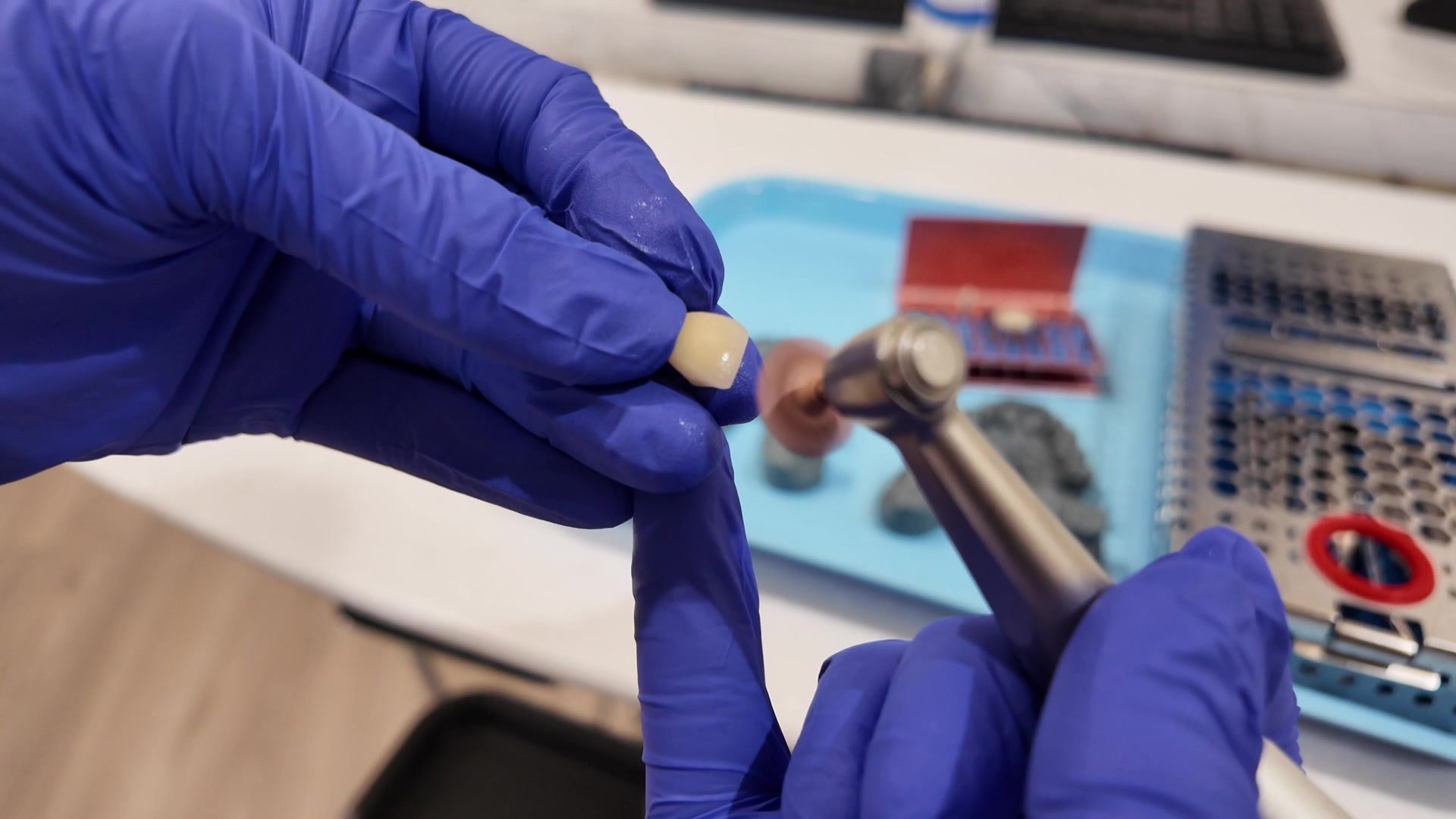
It takes a few minutes a tooth, with no drilling and no numbing. Nothing is taken off the tooth, so every bit of healthy enamel stays. The whole visit is usually quick enough for a child to sit through easily.
Often several years, and sometimes ten or more. They can wear or chip, so they're checked at each visit and touched up when needed, which takes a few minutes.
A sealant doesn't make a tooth cavity-proof. It covers the chewing surface only, and cavities can still start between teeth, where floss reaches and a sealant doesn't. Brushing twice a day, cleaning between the teeth and regular checkups still do most of the work.
“I hope Re·gen becomes a steady part of people's lives. Seeing kids grow up in the practice, families feeling comfortable stopping in…”
Our founder, Dr. Erin Cho, and Dr. Ashley Choi, both trained at the University of Illinois Chicago.
Meet our team
3208 N Lincoln Ave, Lakeview. Open Tuesday to Friday, with street parking nearby.
About the studioSomething else on your mind? Call (312) 584-0707
No. Nothing is drilled and no numbing is needed. The sealant is painted on and hardened with a light.
Usually around six and again around twelve. Those are the ages the first and second permanent molars come in.
Yes. Adults with deep grooves and no decay or fillings on those teeth can benefit.
A tiny trace at most. Some sealant materials can release a very small amount right after they're placed, far less than people take in each day from food packaging and receipts.
Not over an active cavity, which needs treating first. A very early soft spot in the enamel can sometimes be sealed to stop it growing. We'd rather catch small changes early, while a thin coating can still do the job a drill would have to do later.


Request an appointment or call us, and we'll check whether sealants make sense.