


Our dentists
Our founder, Dr. Erin Cho, and Dr. Ashley Choi, both trained at the University of Illinois Chicago.
Meet our team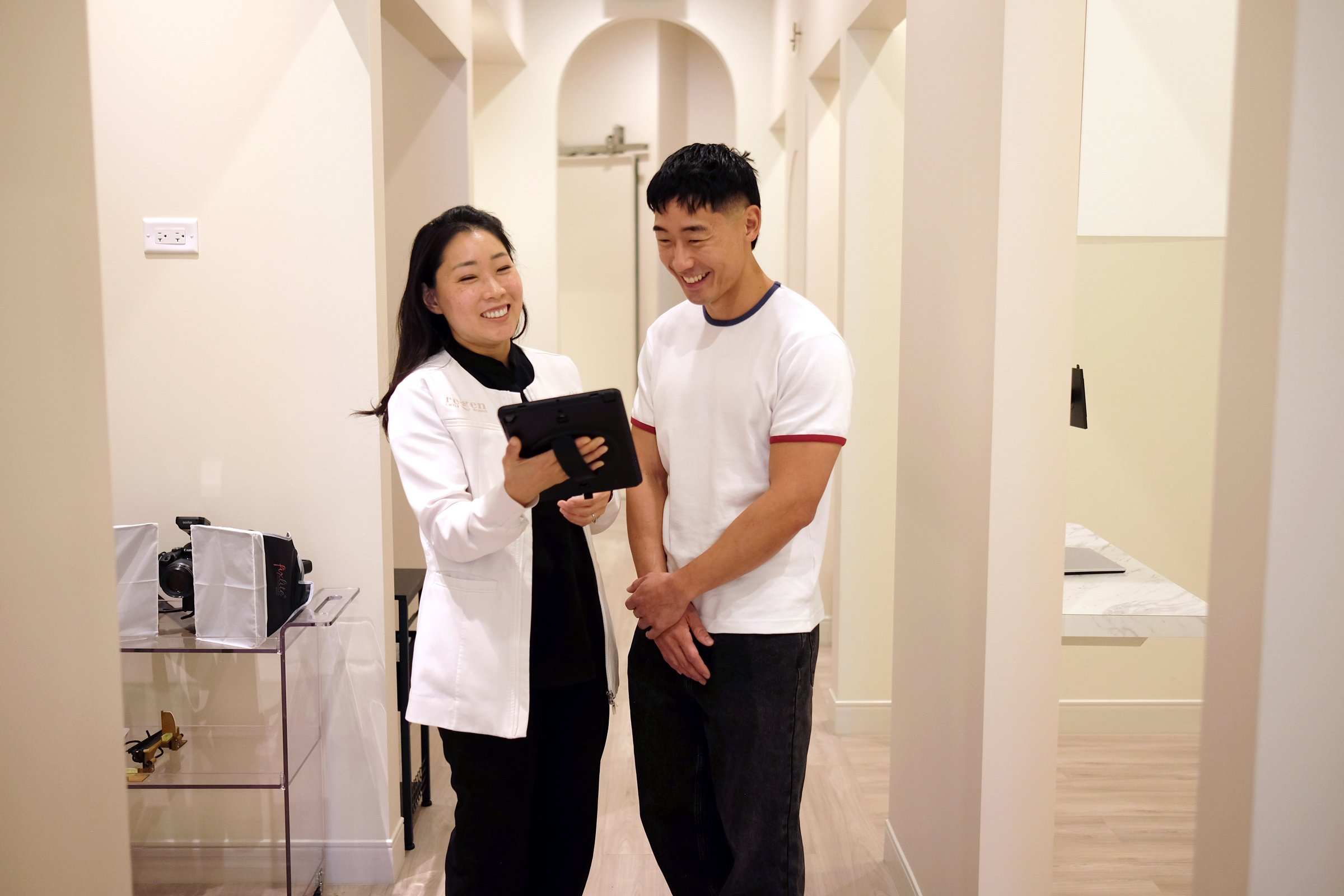
When Botox can ease a clenching, aching jaw, when it won't help, and what else to try.
You wake up with a tired, aching jaw, or a headache at your temples that fades by lunch. Your partner says you grind at night. A dentist has pointed out flat, worn edges on your back teeth. Botox for TMJ pain is one way to calm the jaw muscles behind all of this, and we offer it at our studio in Lakeview, Chicago.
Dr. Erin is certified in Botox through the American Academy of Facial Esthetics. Before suggesting it, we work out whether the pain is coming from the muscles, the jaw joint, or both, so you only have Botox if it's likely to help.
“Most often, morning jaw pain comes from clenching or grinding. Sometimes the bite can also be contributing to the tension. What we want to figure out is whether the discomfort is coming more from the muscles, the jaw joint, or a combination of both, because the treatment depends on the cause.”
Most people who grind do it in their sleep, so they don't know. They notice the effects instead. A jaw that's sore or tight in the morning. Headaches around the temples. Teeth that feel sensitive for no clear reason, or edges that look flat, chipped or worn.
Daytime clenching is easier to catch once you look for it. Check in with your jaw while you're driving, working or reading your phone. Your teeth should be apart and your tongue resting on the roof of your mouth. If your teeth are pressed together, you're clenching.
TMJ is the name of the jaw joint itself, just in front of each ear. Clicking, popping, or a jaw that sometimes feels stuck can mean the joint is involved, not only the muscles.

Botox relaxes the muscle it's placed in. For clenching, a few small injections go into the masseter, the thick chewing muscle you can feel at the angle of your jaw when you bite down, and sometimes into the temple muscle. The muscle can no longer clench as hard.
People often worry it will stop them chewing or freeze their face. At the doses used for the jaw, you can still eat, talk and smile normally.
It works gradually. Most people notice a difference over one to two weeks, and the effect fades over a few months. Botox for jaw clenching is an off-label use in the US, and how well it works varies from person to person.
It helps most when the pain comes from overworked muscles. It does much less when the problem is inside the joint, which is why the cause is worked out first.
Dr. Erin trained at the Kois Center in how the teeth and jaws meet, so your bite is part of the exam. Sometimes a high spot on one tooth is adding to the strain, and smoothing it can take some of the load off your jaw.
Botox is rarely the whole answer. A custom night guard protects your teeth from grinding while you sleep. Heat, gentle jaw stretches, and catching yourself clenching during the day all help. Some people need imaging of the joint or a specialist, and we'll tell you if that's you.
Botox isn't used during pregnancy or breastfeeding, or for people with certain nerve or muscle conditions. We go through your medical history before anything else.
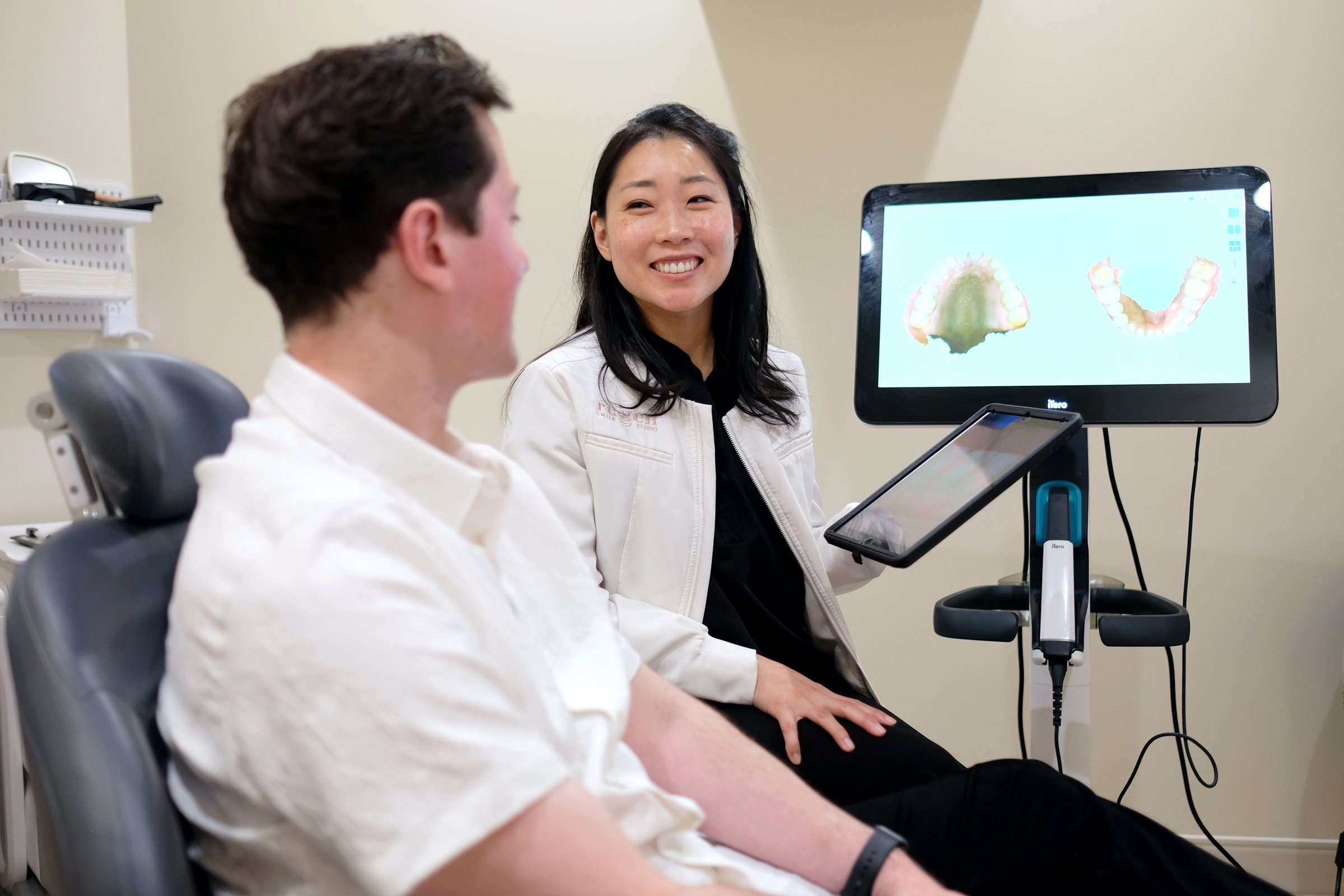
The injections take a few minutes with a very fine needle. Most people feel a quick pinch at each spot. You can go back to work or your day afterward. Skip the gym and don't rub the area for the rest of the day.
A little redness, tenderness or a small bruise where the needle went in is common and usually settles within a few days. A follow-up a couple of weeks later shows how your jaw has responded.
Our founder, Dr. Erin Cho, and Dr. Ashley Choi, both trained at the University of Illinois Chicago.
Meet our team
3208 N Lincoln Ave, Lakeview. Open Tuesday to Friday, with street parking nearby.
About the studioSomething else on your mind? Call (312) 584-0707
Often, when the pain comes from the jaw muscles. It eases the tension and the force of clenching. It's less likely to help a problem inside the joint itself.
Usually a few months, and it wears off gradually. Some people repeat it; others find a night guard and daily habits are enough.
It can, a little. With repeated treatment the jaw muscle can shrink slightly, which may soften the jawline. We'll talk about that before you decide.
Yes. The dose is planned to reduce clenching, not to stop the muscle working. Tough foods may feel like more effort for the first few days.
Usually not by dental insurance. Our team can check your plan before treatment.
Yes, with the right training. Dr. Erin is certified in Botox through the American Academy of Facial Esthetics. Dentists work with the jaw muscles every day.
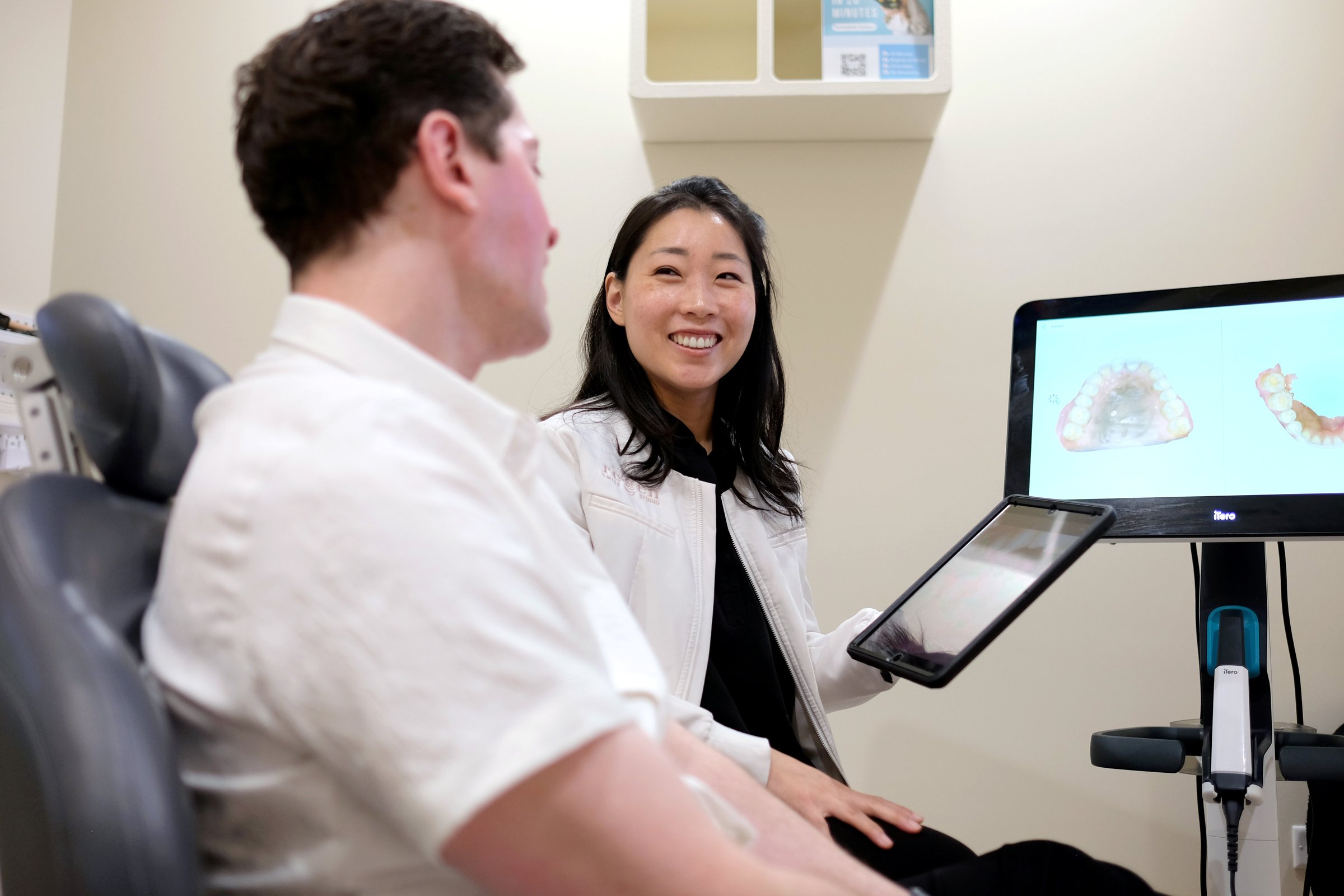

Come in for an exam. We'll look at your teeth, bite and jaw, work out where the pain is coming from, and talk through every option, including whether Botox makes sense.